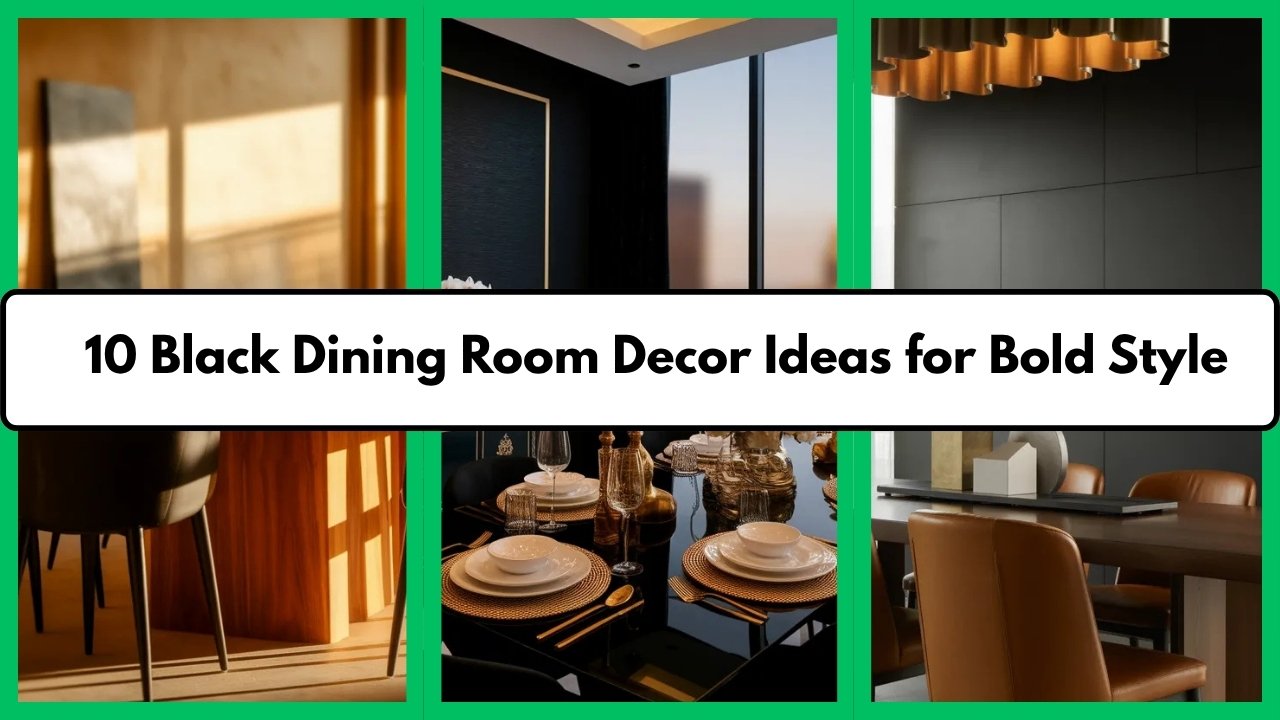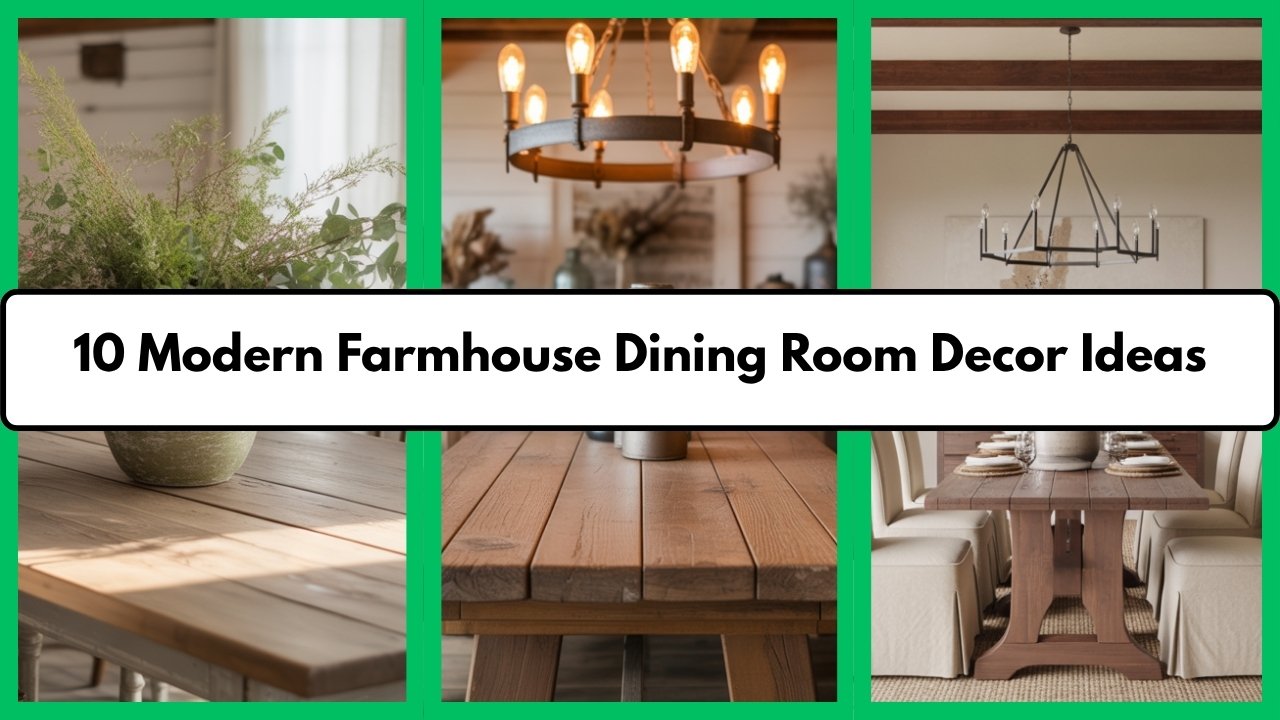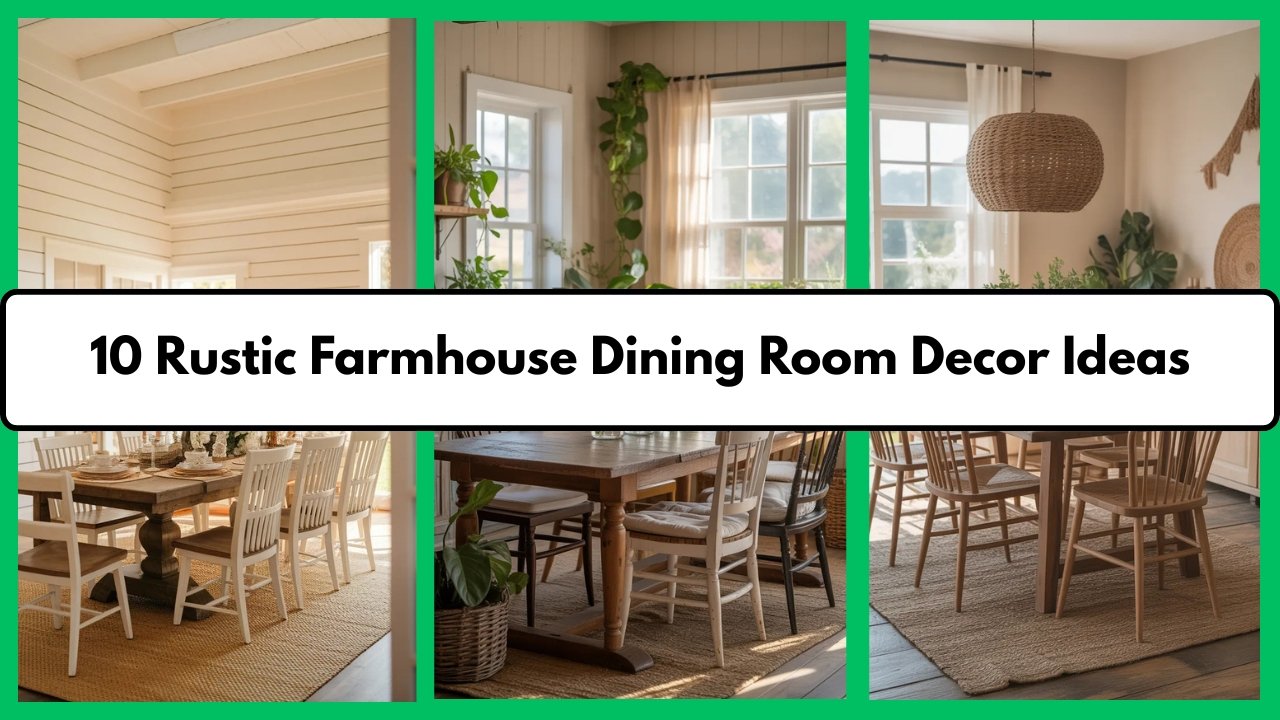
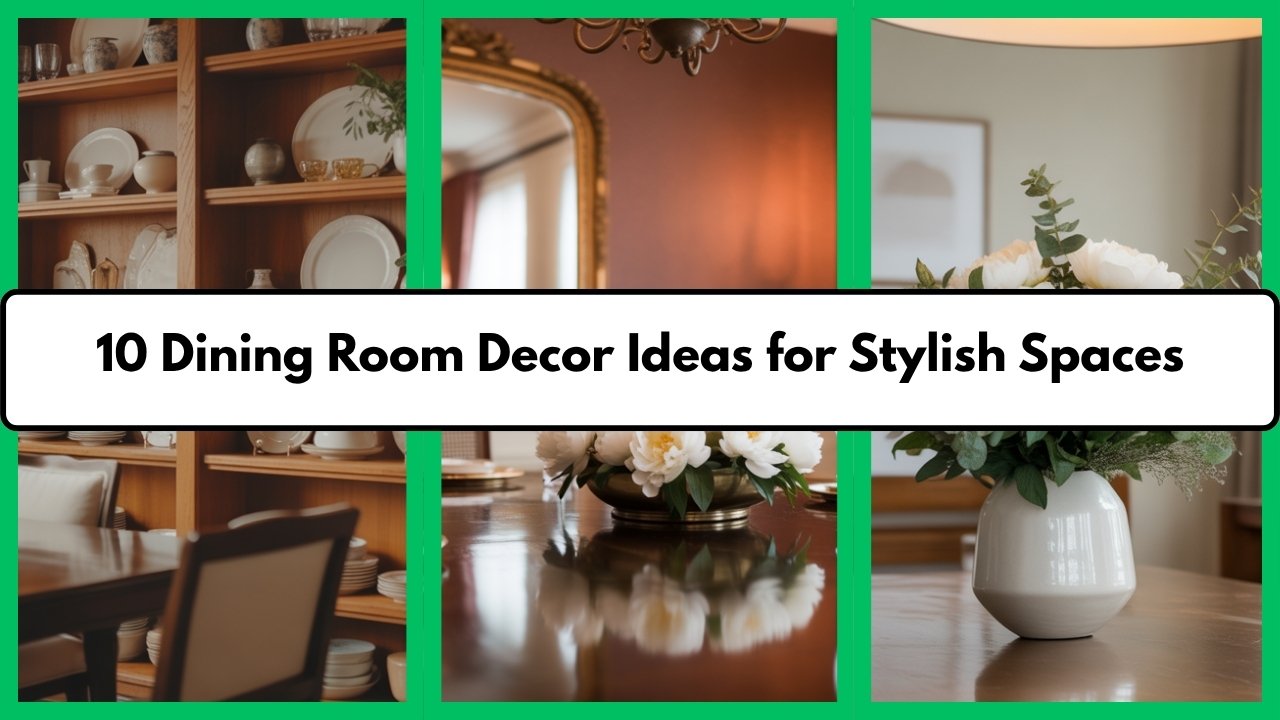
A stylish dining room is more than just a place to eat—it’s a space where design, comfort, and personality come together. Whether you’re hosting guests or enjoying everyday meals, the right décor can completely transform the atmosphere of your dining area. From carefully chosen furniture to subtle decorative details, every element plays a role in creating a space that feels both inviting and visually appealing.
Modern stylish dining rooms focus on balance. They combine simplicity with thoughtful design, ensuring the space feels elegant without being overwhelming. By layering textures, using cohesive color palettes, and incorporating statement pieces, you can create a dining room that feels curated and effortless.
Below are 10 beautifully expanded ideas to help you design a dining space that feels polished, functional, and full of character.
1. Elegant Dining Table Centerpiece
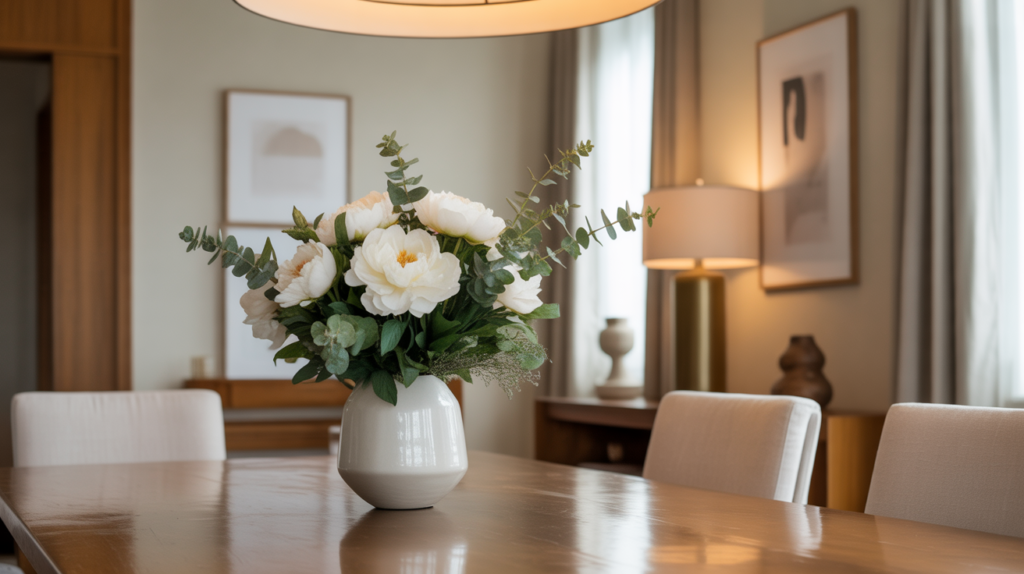
An elegant centerpiece is one of the easiest and most effective ways to elevate your dining table. It acts as the focal point of the table, drawing attention and setting the tone for the entire room. Whether you choose a vase filled with fresh flowers, a decorative bowl, or a sculptural object, the centerpiece helps create a sense of intention and style.
The beauty of a centerpiece lies in its simplicity. It doesn’t need to be overly elaborate to make an impact. A single arrangement of soft blooms can add freshness and color, while a ceramic or glass object can introduce texture and sophistication. The key is to select something that complements the overall décor of your dining room rather than competing with it.
Proportion is also important. The centerpiece should be appropriately sized for your table—large enough to stand out but not so big that it disrupts conversation or takes up too much space. Low-profile arrangements often work best for everyday use, as they maintain both elegance and practicality.
You can also update your centerpiece with the seasons, adding warmer tones in autumn or lighter, fresher elements in spring. This keeps your dining space feeling dynamic and thoughtfully styled throughout the year.
2. Statement Pendant Lighting
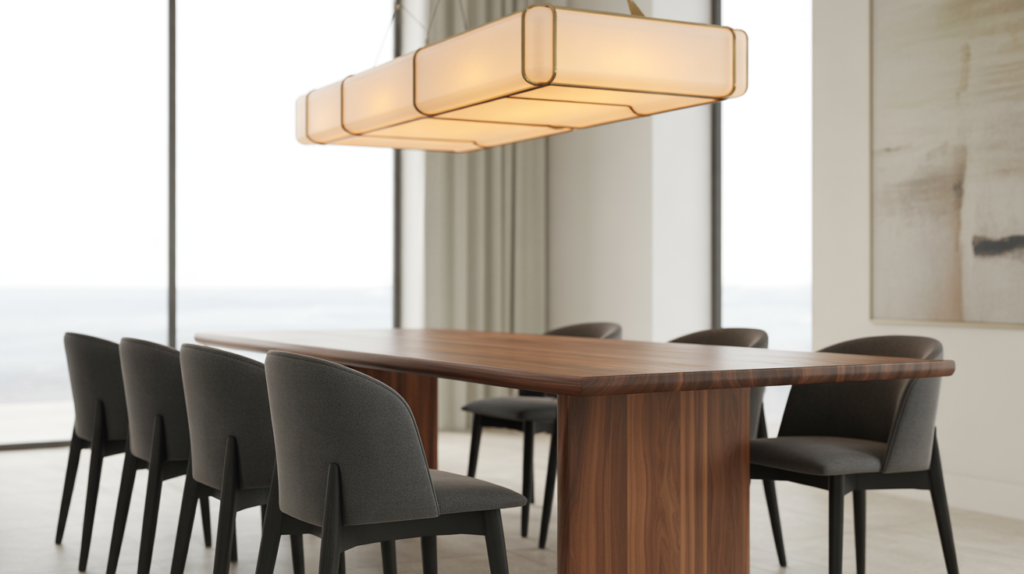
Lighting plays a crucial role in defining the mood and style of a dining room. A statement pendant light or chandelier above the table can instantly transform the space, creating a strong focal point while providing functional illumination.
A well-chosen light fixture does more than just brighten the room—it adds personality and depth. Whether you opt for a sleek modern pendant, a bold geometric design, or a more classic chandelier, the fixture should reflect your interior style and enhance the overall aesthetic.
Placement is key to achieving the right look. The light should be centered above the dining table to create balance and symmetry. The height should also be carefully adjusted to ensure it provides enough light without feeling too low or intrusive.
Warm lighting is ideal for dining spaces, as it creates a cozy and inviting atmosphere. It encourages relaxation and makes meals feel more enjoyable, whether you’re dining alone or hosting guests.
3. Stylish Area Rug
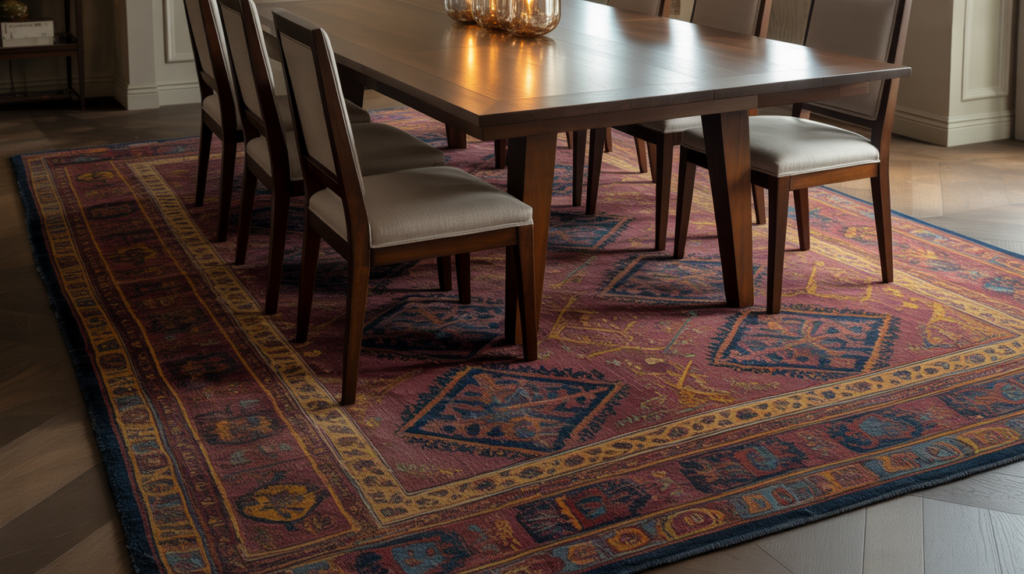
An area rug is a powerful design element that can anchor your dining space and add warmth underfoot. It helps define the dining area, especially in open-plan homes, and creates a sense of structure within the room.
Choosing the right rug involves considering both style and practicality. Neutral tones or subtle patterns work well in most interiors, as they complement furniture without overpowering it. However, a slightly bolder design can also add character if the rest of the room is kept simple.
Size is crucial. The rug should be large enough to accommodate the dining table and chairs, even when the chairs are pulled out. This ensures both comfort and visual balance.
In addition to aesthetics, a rug adds texture and softness to the space, making the dining area feel more comfortable and inviting. It also helps reduce noise, creating a more pleasant dining experience.
4. Gallery Wall Decor
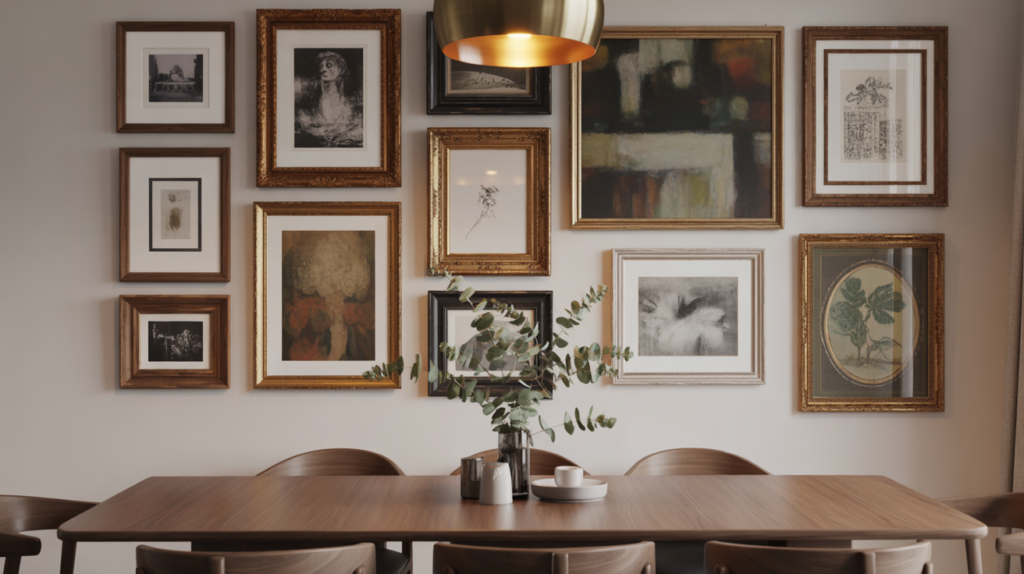
A gallery wall is a stylish way to add personality and creativity to your dining room. By displaying a collection of artwork, photographs, or prints, you can create a visually engaging feature that reflects your personal taste.
The key to a successful gallery wall is cohesion. While the artwork can vary in subject or style, using similar frames or a consistent color palette helps tie everything together. Black, white, or metallic frames are popular choices for a modern look.
Arrangement is equally important. You can opt for a symmetrical layout for a more structured feel or a slightly organic arrangement for a relaxed, curated look. Planning the layout beforehand ensures a balanced and polished result.
A gallery wall not only enhances the visual appeal of the room but also makes it feel more personal and lived-in, turning your dining space into a reflection of your style.
5. Decorative Dining Chairs
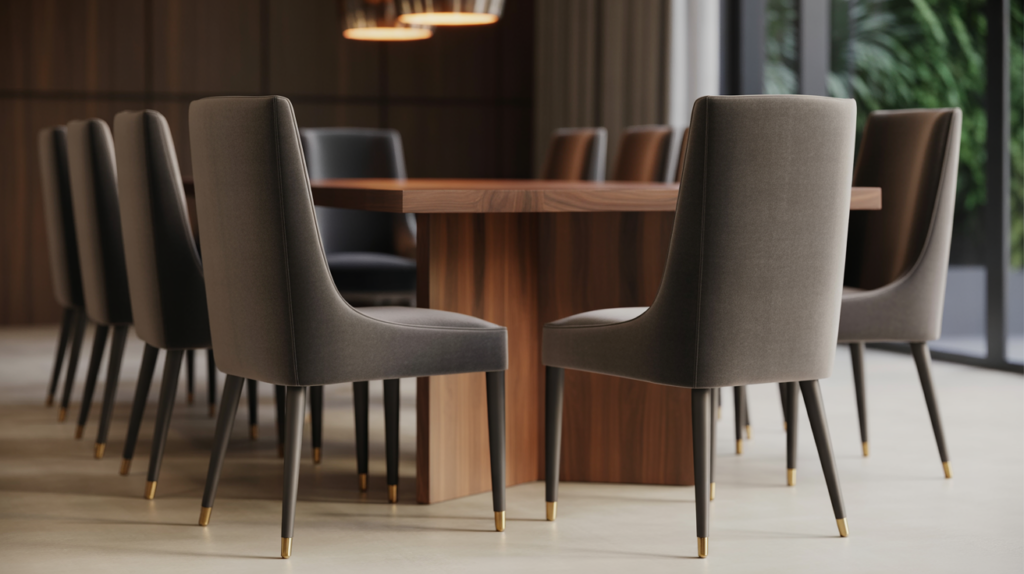
Dining chairs are more than just functional—they are a key design element that can elevate the entire space. Choosing chairs with unique shapes, textures, or colors can instantly add character and style to your dining room.
Upholstered chairs are particularly popular because they combine comfort with elegance. Fabrics like linen, velvet, or leather can introduce softness and sophistication, while also making the seating more comfortable for longer meals.
Mixing chair styles is another way to create a more dynamic and interesting look. For example, pairing armchairs at the ends of the table with simpler side chairs can add variety while maintaining balance.
Ultimately, the right chairs should complement the dining table and overall décor, creating a cohesive and inviting environment.
6. Indoor Plants and Greenery
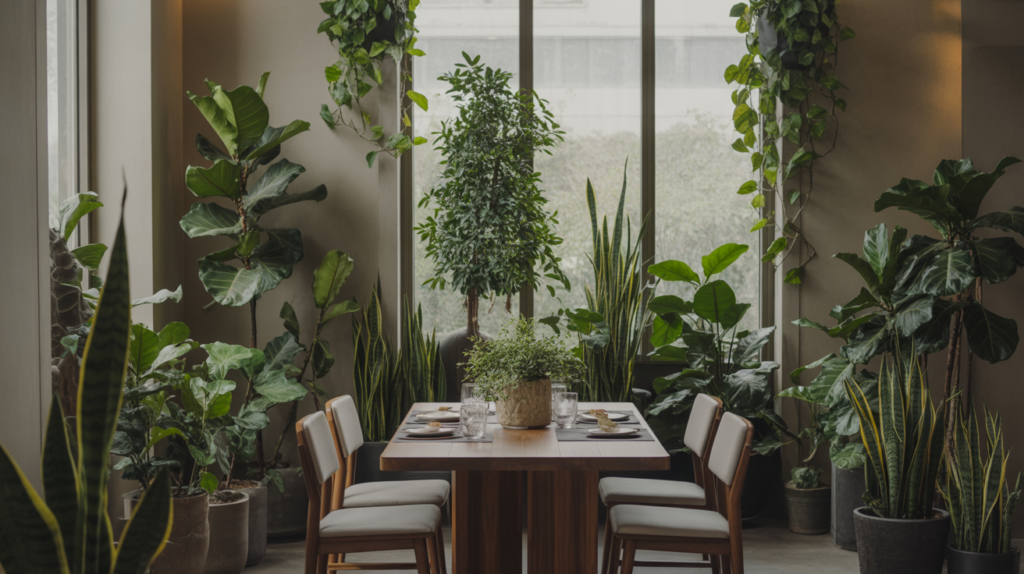
Plants are a simple yet powerful way to bring life and freshness into a dining room. They add natural color, soften the look of furniture, and create a more relaxed and inviting atmosphere.
Even a few small plants can make a noticeable difference. A potted plant on the table, a tall plant in the corner, or hanging greenery near a window can enhance the overall design.
Plants also help create a connection to nature, which is especially important in modern interiors. They balance out harder materials like wood and metal, making the space feel more harmonious.
For those who prefer low maintenance, faux plants can offer a similar visual effect without the upkeep. The goal is to introduce a touch of greenery that makes the space feel alive and welcoming.
7. Decorative Wall Mirror
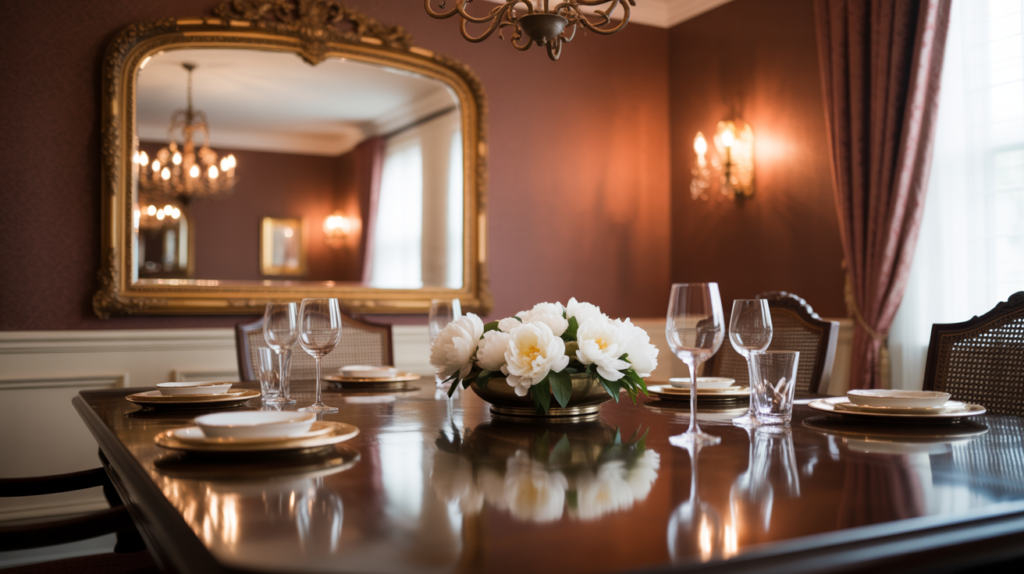
A decorative mirror is both practical and stylish, making it a great addition to any dining room. It reflects light, making the space feel brighter and more open, which is especially useful in smaller or darker rooms.
Mirrors also add depth and elegance. When placed strategically, they can reflect beautiful elements such as a chandelier or artwork, enhancing the overall design.
Placing a mirror above a sideboard or buffet creates a balanced and polished look. The shape and frame of the mirror should complement the room’s style—sleek frames for modern interiors or more decorative designs for classic spaces.
This simple addition can significantly elevate the look and feel of your dining room.
8. Open Shelving Display
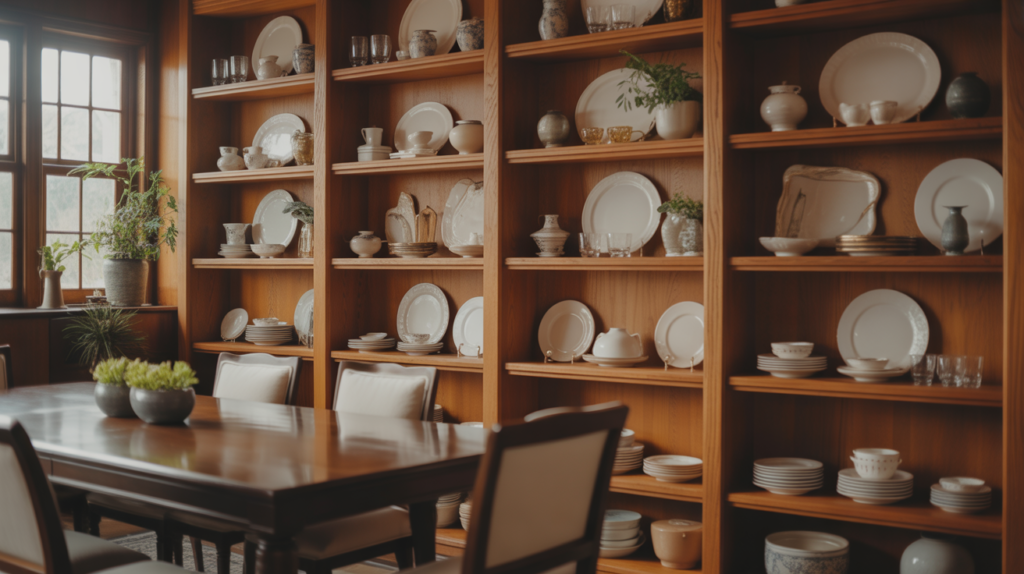
Open shelving combines storage with decoration, making it both practical and visually appealing. It allows you to display dishes, glassware, and decorative objects in a way that adds personality to the space.
The key to styling open shelves is balance. Avoid overcrowding by leaving some empty space between items. Grouping objects in odd numbers and varying heights creates a more dynamic arrangement.
You can mix functional items like plates and bowls with decorative pieces such as vases, books, or small plants. This creates a layered and curated look.
Open shelving also makes it easy to update your décor over time, allowing you to refresh the space without major changes.
9. Neutral Color Palette
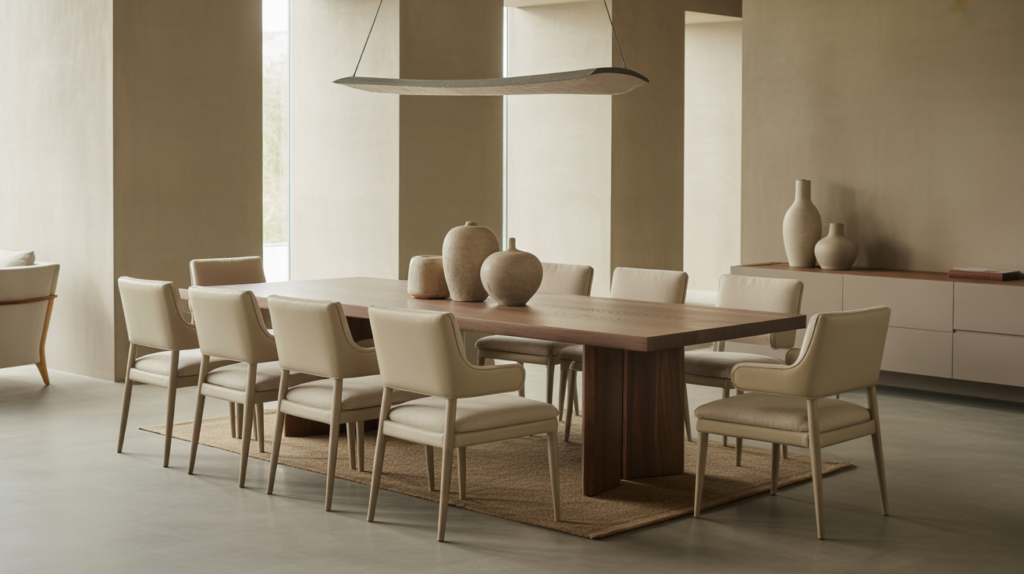
A neutral color palette is the foundation of a stylish dining room. Shades like white, beige, gray, and soft taupe create a calm and sophisticated backdrop that allows other design elements to stand out.
Neutral tones make the space feel more open and airy, especially when combined with natural light. They also provide flexibility, making it easy to update the décor with different accents over time.
To prevent the space from feeling flat, it’s important to layer textures. Combining materials like wood, linen, metal, and glass adds depth and interest while maintaining a cohesive look.
This approach creates a timeless design that feels both elegant and comfortable.
10. Layered Table Textures
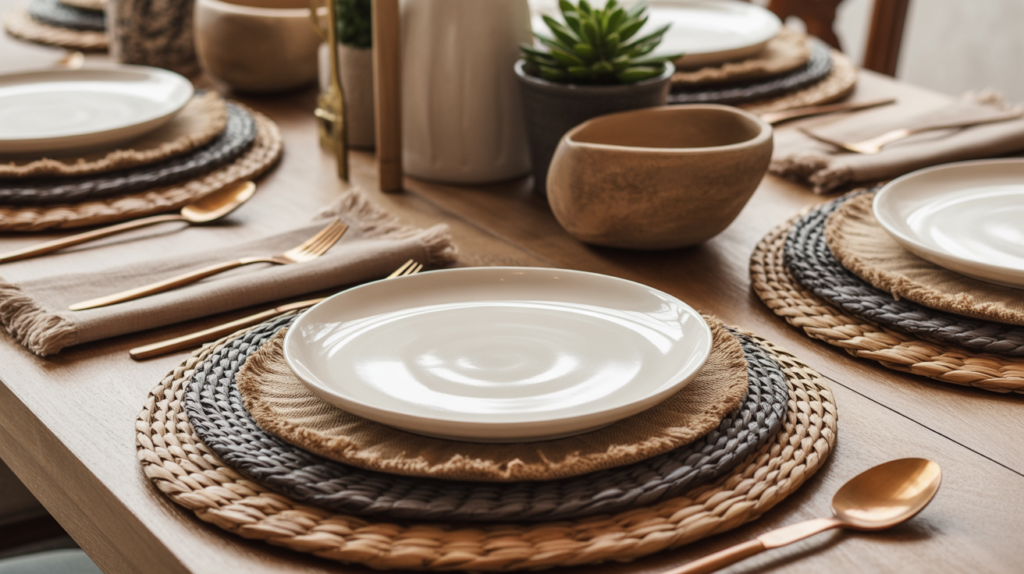
Layering textures on your dining table is a simple way to add depth and visual interest. By combining different materials—such as placemats, table runners, plates, and napkins—you can create a rich and inviting table setting.
This technique works well for both everyday meals and special occasions. A linen runner paired with woven placemats and ceramic dishes creates a balanced and stylish look.
Mixing textures also adds warmth and dimension, making the table feel more thoughtfully designed. The key is to keep the arrangement cohesive by sticking to a consistent color palette.
Layered textures not only enhance the appearance of the table but also make the dining experience feel more intentional and enjoyable.