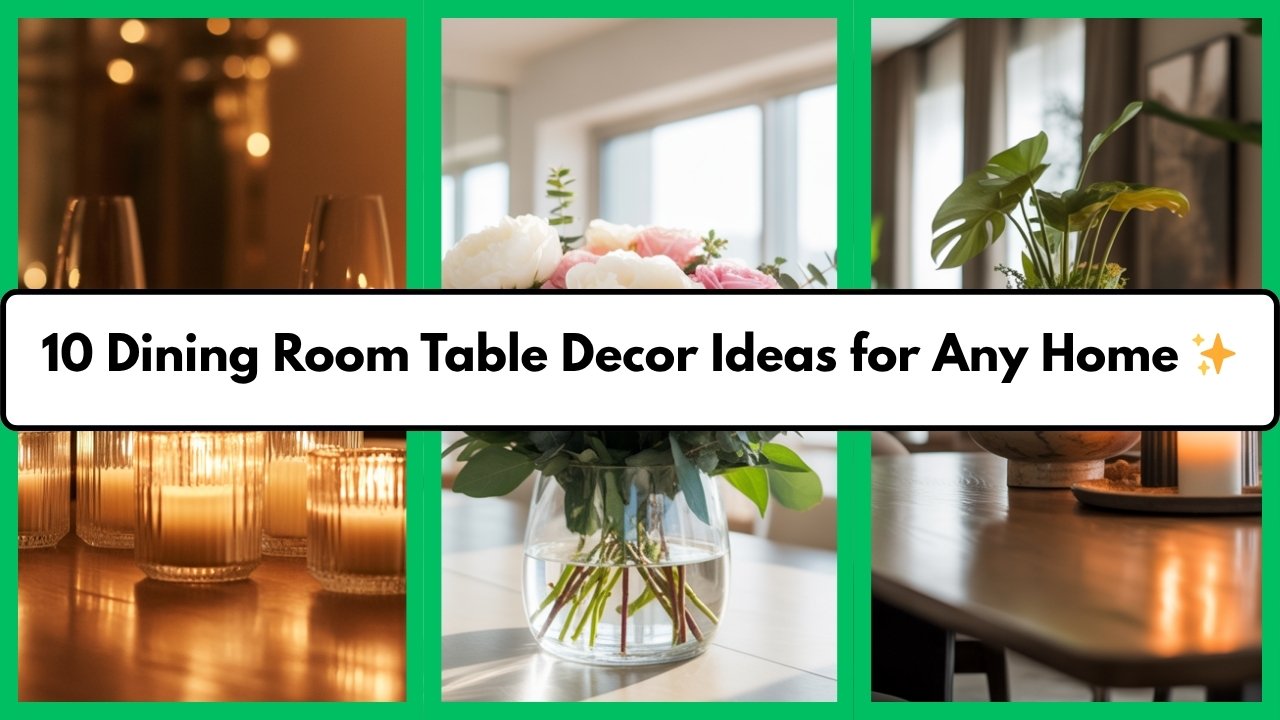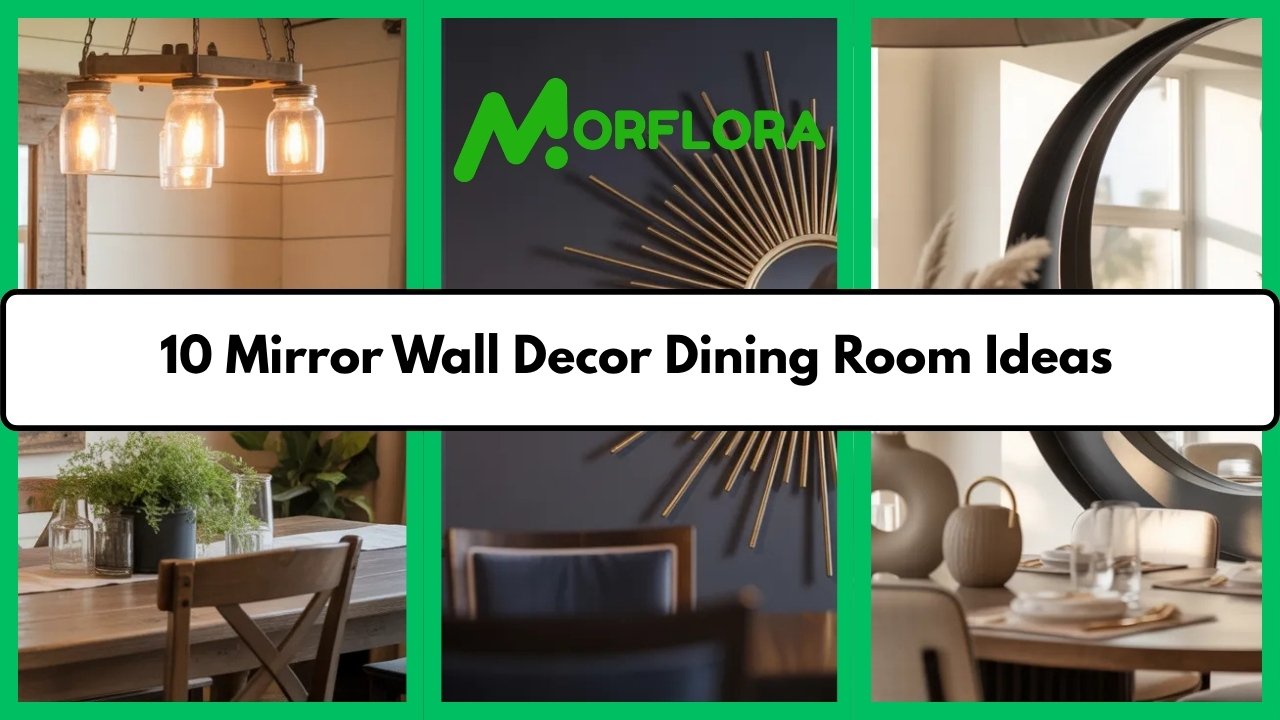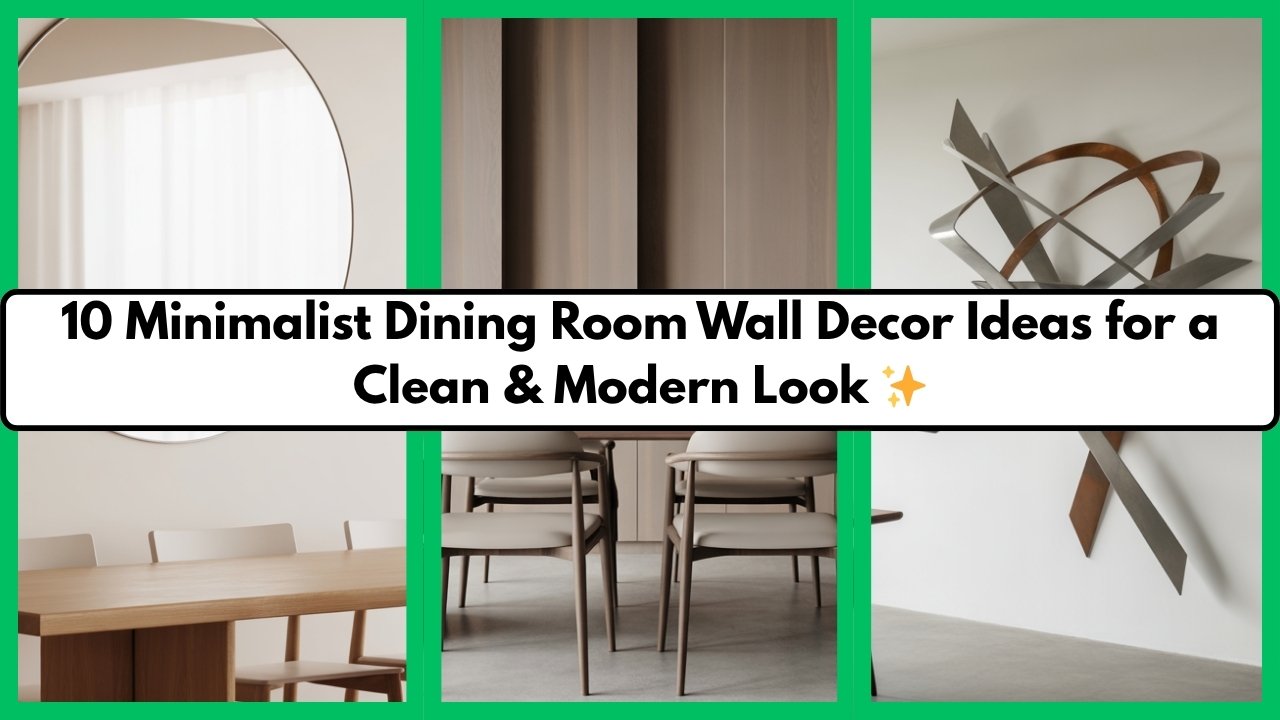
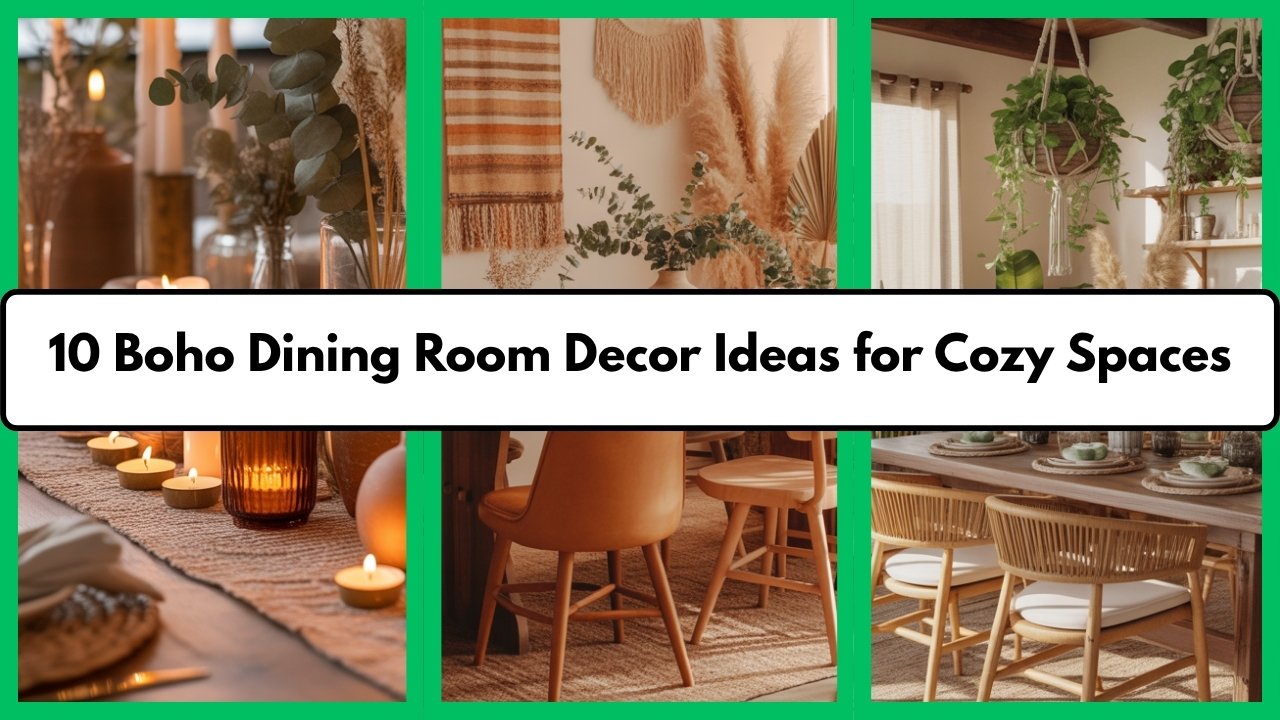
A boho (bohemian) dining room is all about comfort, creativity, and a relaxed sense of style. It blends natural materials, earthy tones, layered textures, and unique decorative elements to create a space that feels personal and inviting. Unlike more structured design styles, boho interiors embrace imperfection, mixing old and new pieces to tell a story.
When designing a boho dining room, the goal isn’t to make everything match perfectly—it’s to create a harmonious space where different textures, colors, and objects come together naturally. From wooden furniture and woven lighting to lush greenery and handcrafted décor, every detail contributes to the warm, laid-back atmosphere.
Below are 10 beautifully expanded ideas to help you design a boho dining room that feels cozy, stylish, and full of character.
1. Natural Wood Dining Table
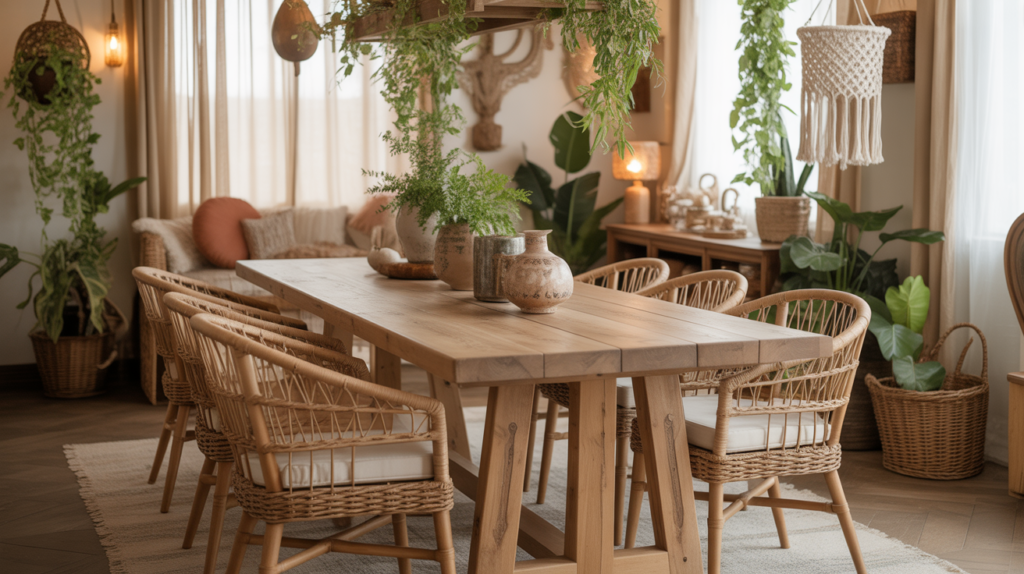
A natural wood dining table is the heart of a boho-style dining room. Its raw, organic texture instantly brings warmth and authenticity into the space, creating a grounded and welcoming environment. Unlike glossy or overly polished finishes, natural wood has subtle imperfections—grain patterns, knots, and variations—that add character and charm.
This type of table sets the tone for the entire room. It encourages a relaxed, casual vibe where meals feel unhurried and gatherings feel intimate. Whether you choose a light oak finish for an airy feel or a darker wood for depth, the natural material creates a strong connection to nature, which is central to bohemian design.
To enhance the look, pair the table with woven chairs, rattan seating, or even a mix of different chair styles. Mismatched seating adds personality and reinforces the eclectic nature of boho interiors. You can also incorporate soft cushions or throws to increase comfort and introduce subtle color.
Styling the table should remain simple and organic. A linen runner, a ceramic vase, or a few candles can complete the look without overwhelming the space. The goal is to let the beauty of the wood shine while adding just enough detail to make the table feel inviting and lived-in.
2. Macrame Wall Decor
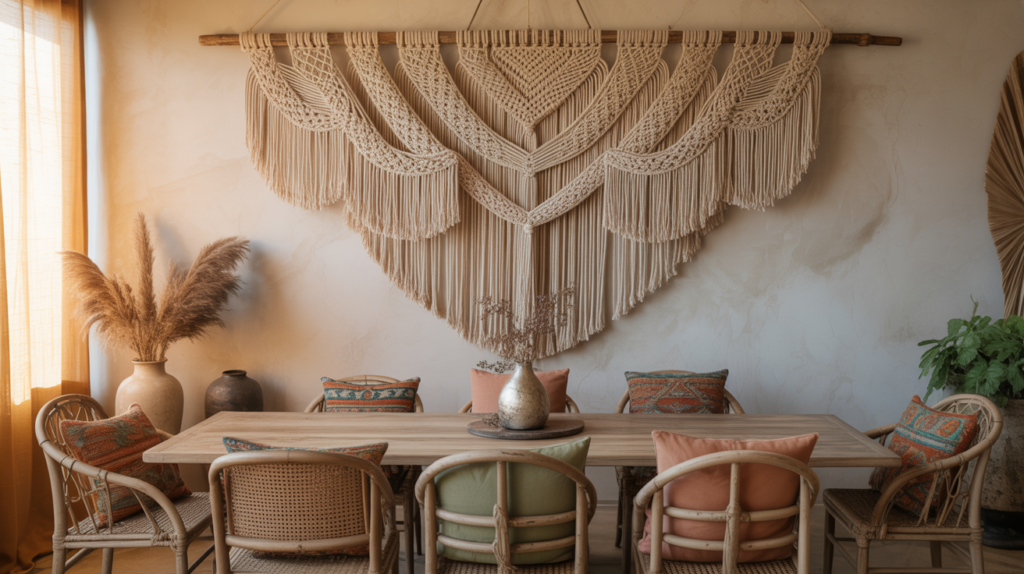
Macrame wall hangings are a signature element of boho décor. Their intricate knots and handcrafted feel bring texture and artistry into the dining room, making the space feel unique and personal.
Hanging a large macrame piece above the dining table creates a natural focal point. It draws the eye upward and adds visual interest without relying on bold colors or heavy materials. The softness of the fabric contrasts beautifully with harder surfaces like wood or metal, creating balance in the room.
Macrame works especially well in neutral or earthy color palettes. Shades of cream, beige, and off-white keep the look calm and cohesive while allowing the texture to stand out. You can also layer macrame with other wall décor, such as small framed prints or woven baskets, to create a more dynamic arrangement.
This decorative element not only enhances the bohemian aesthetic but also adds a sense of warmth and craftsmanship that makes the dining room feel more intimate and inviting.
3. Layered Rugs Under the Table
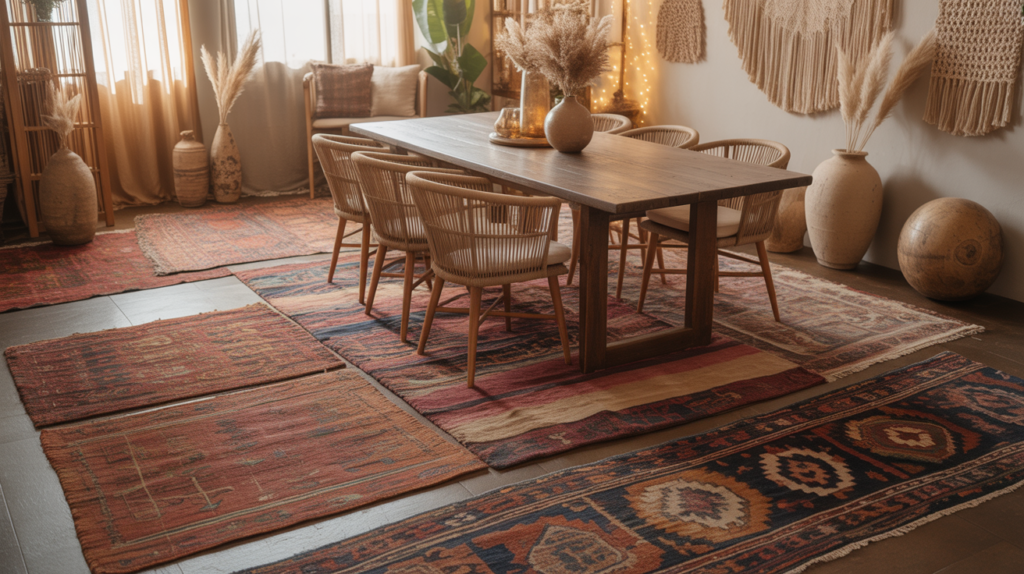
Layering rugs is a hallmark of bohemian design, and it works beautifully in dining rooms. Instead of using a single rug, combining multiple rugs with different textures, patterns, or colors creates depth and visual richness.
Start with a larger neutral base rug and layer a smaller patterned rug on top. This combination adds dimension and makes the dining area feel more grounded and cozy. The layered look also softens the space, making it feel less formal and more relaxed.
Textures play a key role here. Mixing materials like jute, wool, or cotton creates a tactile experience that enhances the overall aesthetic. Even subtle patterns can add interest without overwhelming the room.
Beyond aesthetics, rugs also make the dining space more comfortable by adding warmth underfoot. They help define the dining area, especially in open-plan homes, and create a cozy zone for meals and gatherings.
4. Woven Pendant Lighting
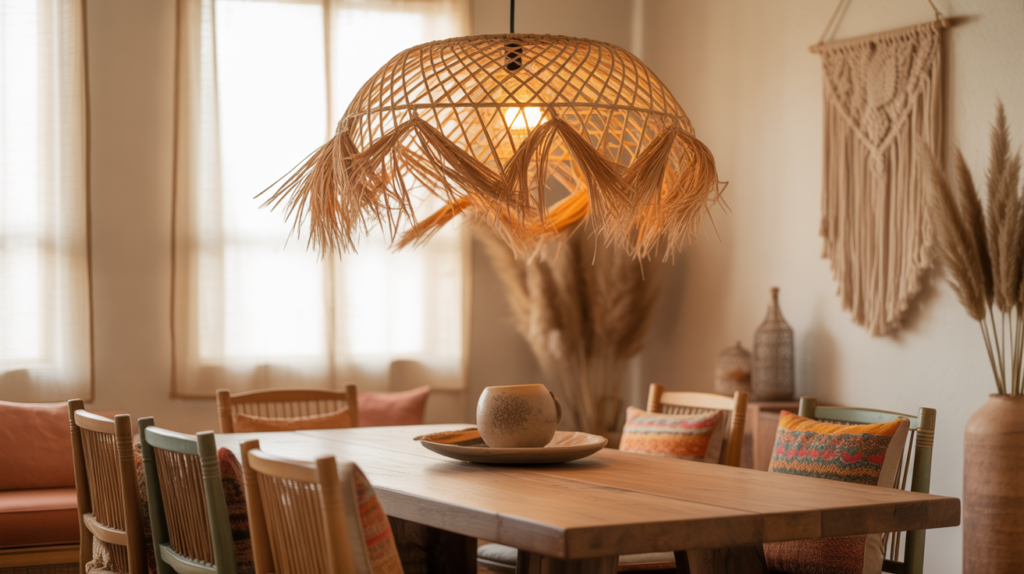
Lighting is essential in setting the mood of a boho dining room, and woven pendant lights are the perfect choice. Made from natural materials like rattan, bamboo, or wicker, these fixtures add texture and warmth while providing soft, diffused lighting.
A woven pendant hung above the dining table creates a focal point that feels both stylish and organic. The natural fibers allow light to filter through gently, casting subtle shadows that add depth and ambiance to the space.
The design of the pendant can vary—from simple dome shapes to more intricate woven patterns—but the key is to keep it natural and relaxed. Oversized pendants can make a bold statement, while smaller fixtures offer a more understated look.
This type of lighting complements other boho elements, such as wooden furniture and greenery, tying the entire room together. It creates a cozy atmosphere that makes every meal feel warm and inviting.
5. Abundant Indoor Plants
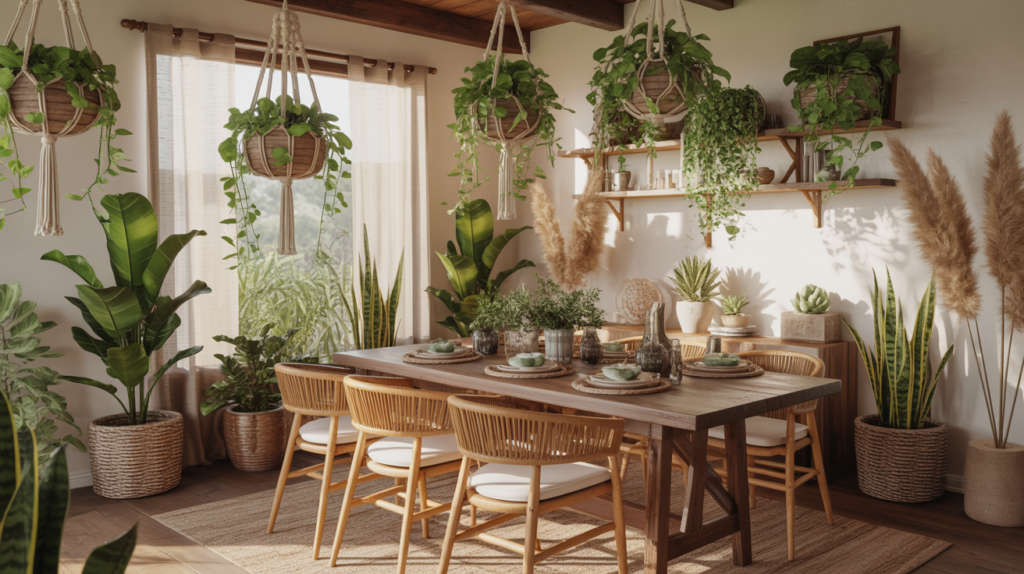
Plants are at the core of boho décor. They bring life, color, and a sense of freshness that transforms any space. In a dining room, placing plants around the table or near windows creates a vibrant and welcoming environment.
The key is variety. Mixing different plant sizes, shapes, and types creates a lush, layered look. Tall plants like fiddle leaf figs can fill empty corners, while smaller plants or hanging greenery add detail at different heights.
Plants also soften the overall design. They balance out hard surfaces like wood and metal, making the room feel more relaxed and natural. Even a few well-placed plants can make a big difference in how the space feels.
If maintenance is a concern, you can use high-quality faux plants. The goal is to create a connection to nature, which is central to the bohemian style.
6. Colorful Boho Textiles
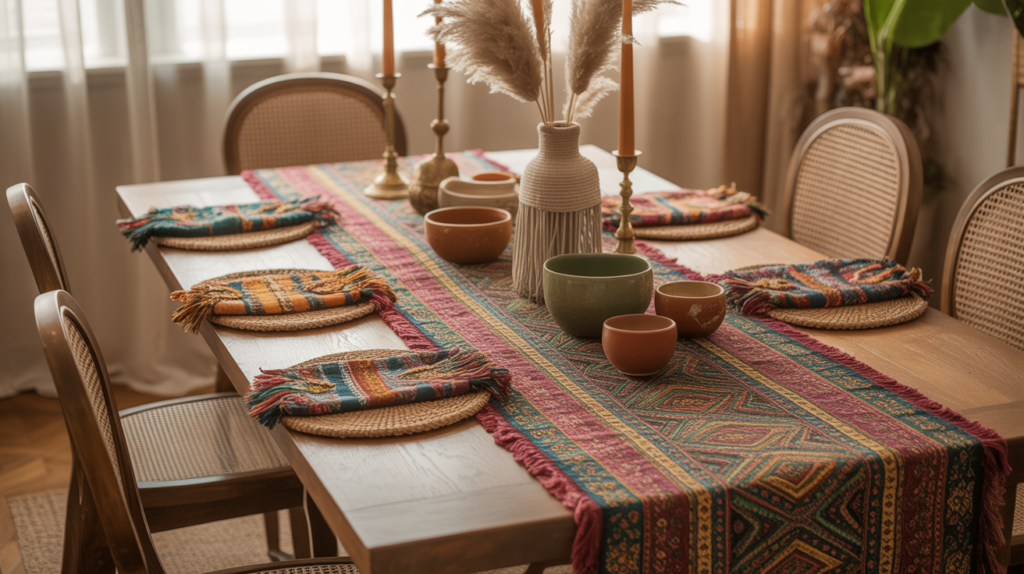
Textiles are one of the easiest ways to add personality to a boho dining room. Colorful patterns, woven fabrics, and soft textures create a layered and inviting look.
A patterned table runner, placemats, or even seat cushions can introduce color without overwhelming the space. Traditional boho patterns often include geometric designs, tribal prints, or subtle florals.
Mixing colors is part of the charm. Earthy tones like rust, mustard, and deep green can be combined with softer neutrals to create a balanced palette. The key is to keep everything harmonious rather than perfectly matched.
These textiles not only enhance the visual appeal but also add comfort. They make the dining space feel warm, cozy, and lived-in.
7. Vintage or Mismatched Chairs
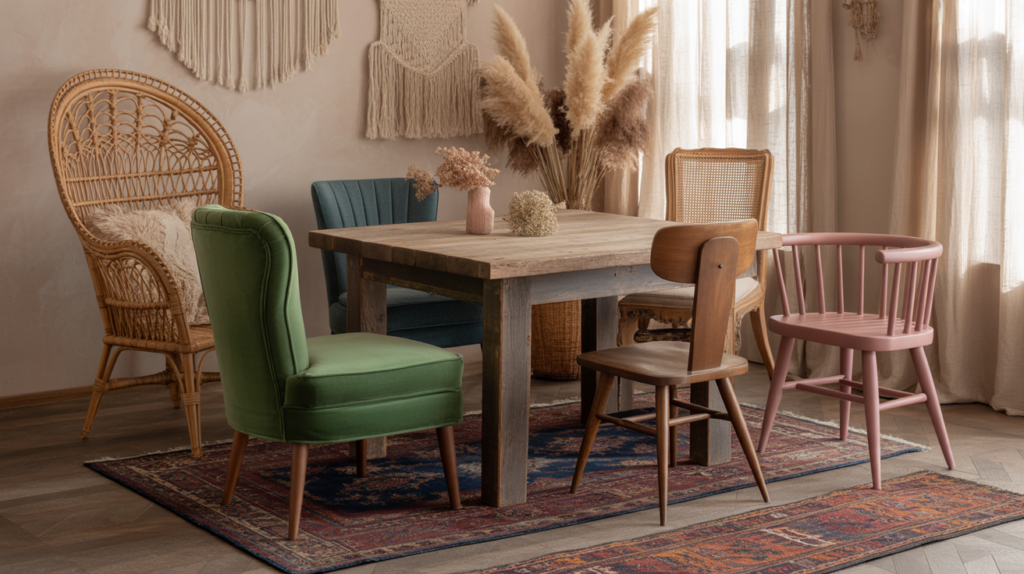
One of the defining features of boho design is its eclectic nature, and mismatched chairs perfectly reflect this. Instead of a uniform set, combining different chair styles creates a collected, artistic look.
You might pair wooden chairs with metal ones, or mix vintage finds with modern pieces. The variety adds character and makes the dining room feel more personal and unique.
To keep the look cohesive, try to maintain a common element—such as similar tones, materials, or shapes. This ensures the space feels intentional rather than chaotic.
Mismatched seating also tells a story. Each piece can have its own history or style, adding depth and personality to the room.
8. Decorative Ceramic and Clay Pieces
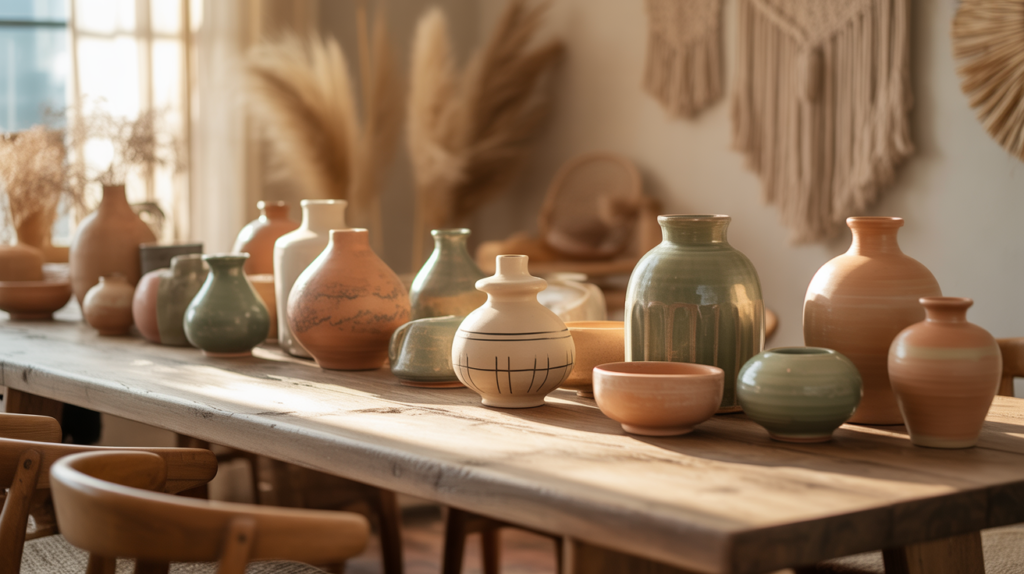
Ceramic and clay décor pieces are perfect for enhancing the earthy feel of a boho dining room. Handmade pottery, textured vases, and sculptural bowls add an artisanal touch that feels authentic and grounded.
These items often feature natural finishes, subtle imperfections, and unique shapes that make them stand out. They can be used as centerpieces or displayed on shelves to add interest.
Grouping several pieces together creates a layered and curated look. Mixing different heights and sizes adds depth, while keeping the color palette neutral ensures the display remains cohesive.
These decorative elements bring warmth and artistry into the space, making it feel more personal and thoughtfully designed.
9. Warm Earth Tone Color Palette
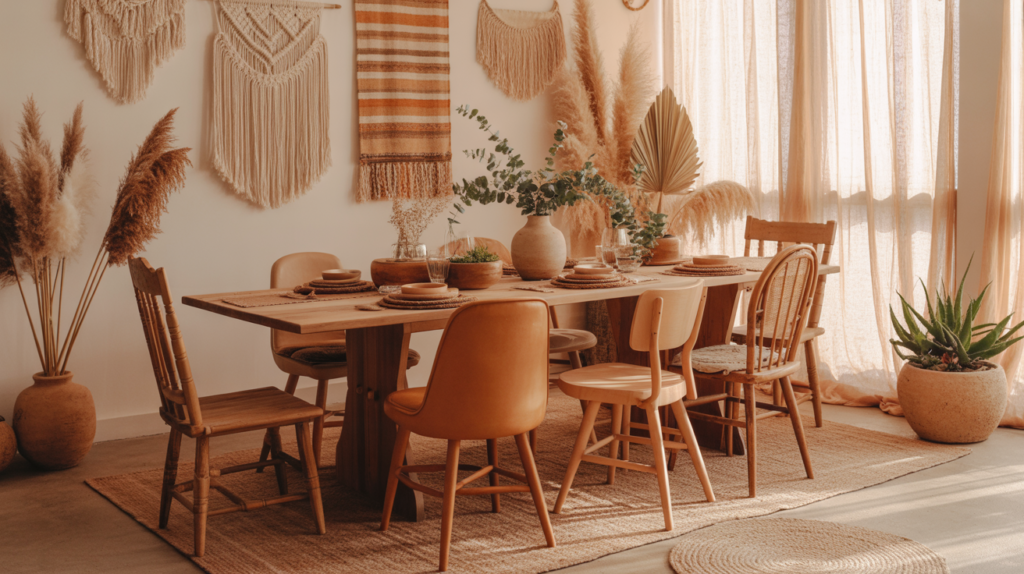
Color is essential in creating a boho atmosphere, and earthy tones are the foundation of this style. Shades like terracotta, beige, warm brown, and soft green create a calming and grounded environment.
These colors reflect nature and work beautifully with materials like wood, rattan, and linen. They make the space feel cozy and inviting without being overwhelming.
Layering different shades of the same color family adds depth and richness. For example, combining light beige walls with darker wood furniture and terracotta accents creates a balanced and harmonious look.
This palette also provides flexibility. You can easily add pops of color through textiles or décor while maintaining the overall boho aesthetic.
10. Cozy Candle Lighting
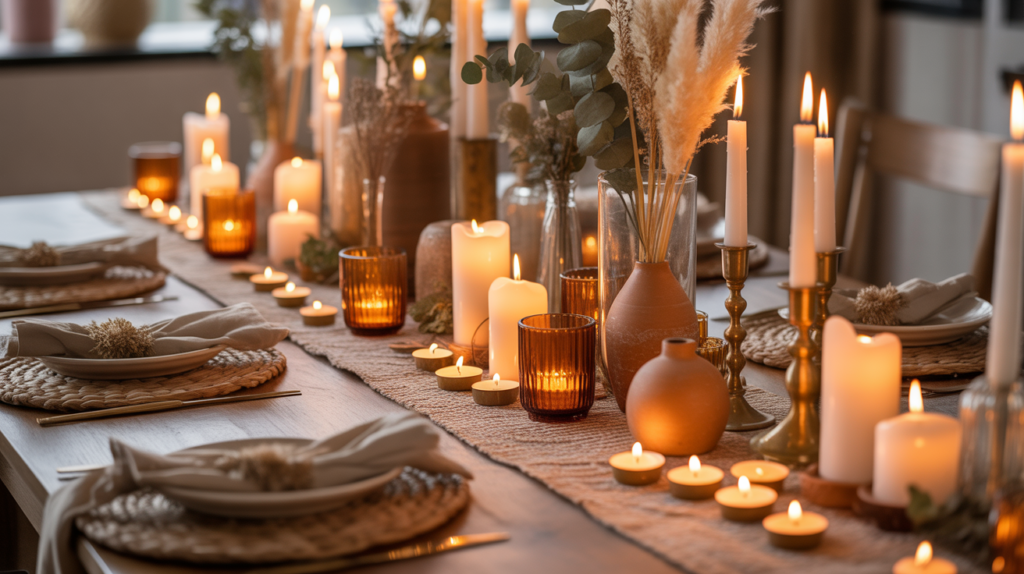
Candles are the finishing touch that brings warmth and intimacy to a boho dining room. Their soft glow creates a relaxing atmosphere that makes meals feel more special and inviting.
Placing candles in decorative holders—such as glass jars, ceramic containers, or metal lanterns—adds style while enhancing the ambiance. Grouping candles of different heights creates a layered and visually appealing display.
Candles work well for both everyday use and special occasions. They add a sense of calm and comfort, making the dining space feel more personal and cozy.
Even a few candles on the table can transform the mood of the room, turning simple meals into memorable experiences.