Creating a casual dining room is all about comfort, simplicity, and effortless style. Unlike formal dining spaces that can feel stiff or reserved, a casual dining area is designed for everyday living—family meals, quick breakfasts, relaxed dinners, and spontaneous gatherings. It should feel welcoming, functional, and easy to maintain, while still reflecting your personal taste.
The beauty of a casual dining room lies in its balance. It blends natural materials, soft colors, and practical furniture with just the right amount of décor. The goal isn’t perfection—it’s creating a space that feels lived-in, inviting, and comfortable for everyone who uses it.
Below are 10 fully expanded ideas to help you design a casual dining room that feels warm, stylish, and perfectly suited for everyday life.
1. Simple Wooden Dining Table Setup
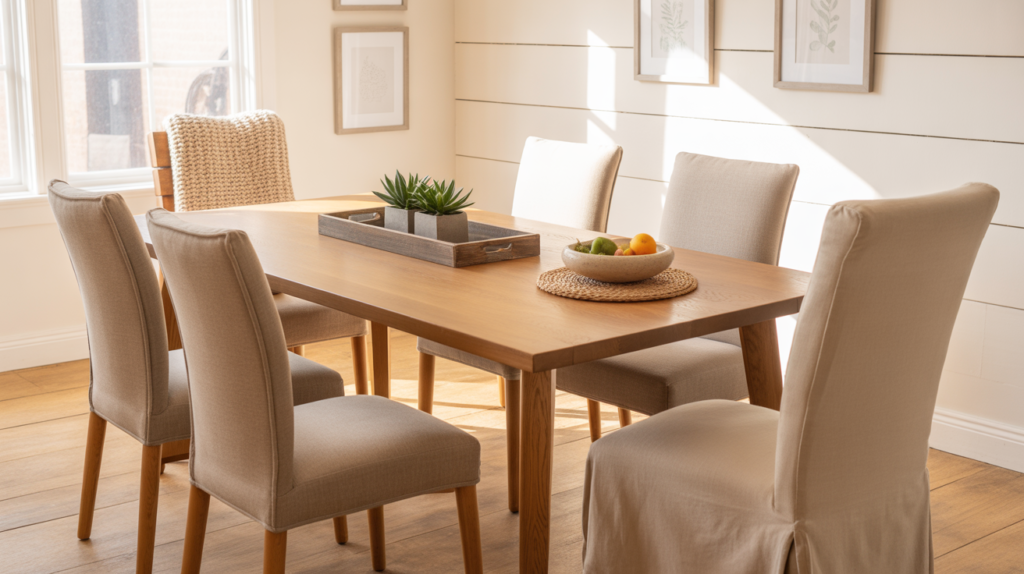
A simple wooden dining table is the heart of any casual dining room. Its natural texture and warm tones create a welcoming foundation that instantly makes the space feel comfortable and grounded. Wood has a timeless appeal—it brings a sense of authenticity and connection to nature, which is perfect for relaxed, everyday environments.
Whether you choose a light oak finish for an airy feel or a darker wood for added depth, the key is to keep the design simple and functional. Avoid overly ornate details or heavy finishes that can make the table feel too formal.
Pair the table with comfortable chairs that encourage long, relaxed meals. You can mix materials—like wood and fabric—or keep everything cohesive for a cleaner look. The goal is comfort and ease, not perfection.
When it comes to styling, less is more. A small centerpiece, such as a vase with greenery or a simple bowl, can add charm without cluttering the table. A lightweight table runner can introduce texture while maintaining the relaxed aesthetic.
This setup creates a dining area that feels approachable and lived-in—perfect for everyday meals and casual gatherings.
2. Neutral and Soft Color Palette
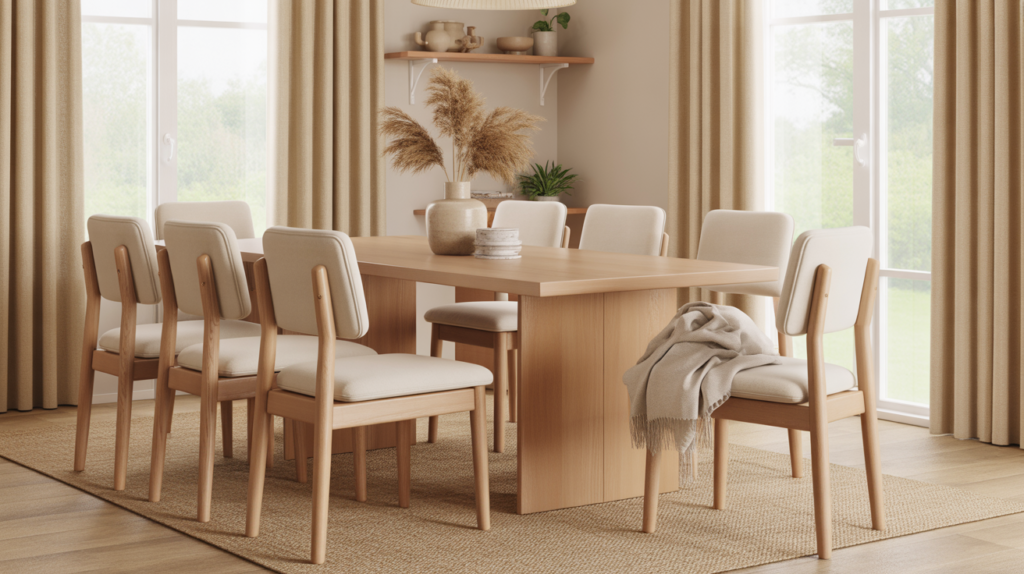
Color plays a major role in setting the mood of a dining room. In a casual space, soft and neutral tones help create a calm and inviting atmosphere. Shades like beige, cream, soft gray, and off-white provide a soothing backdrop that feels both modern and timeless.
These colors reflect light beautifully, making the room feel brighter and more open. They also allow other elements—like furniture, textiles, and greenery—to stand out naturally.
Layering different neutral tones adds depth and interest without overwhelming the space. For example, pairing white walls with a beige rug and light gray chairs creates a cohesive and balanced look.
To avoid the room feeling too plain, incorporate natural materials such as wood, linen, or cotton. These textures add warmth and character, making the space feel cozy rather than sterile.
A neutral palette ensures your dining room remains versatile, allowing you to easily update décor or accents over time without needing a complete redesign.
3. Comfortable Mixed Seating
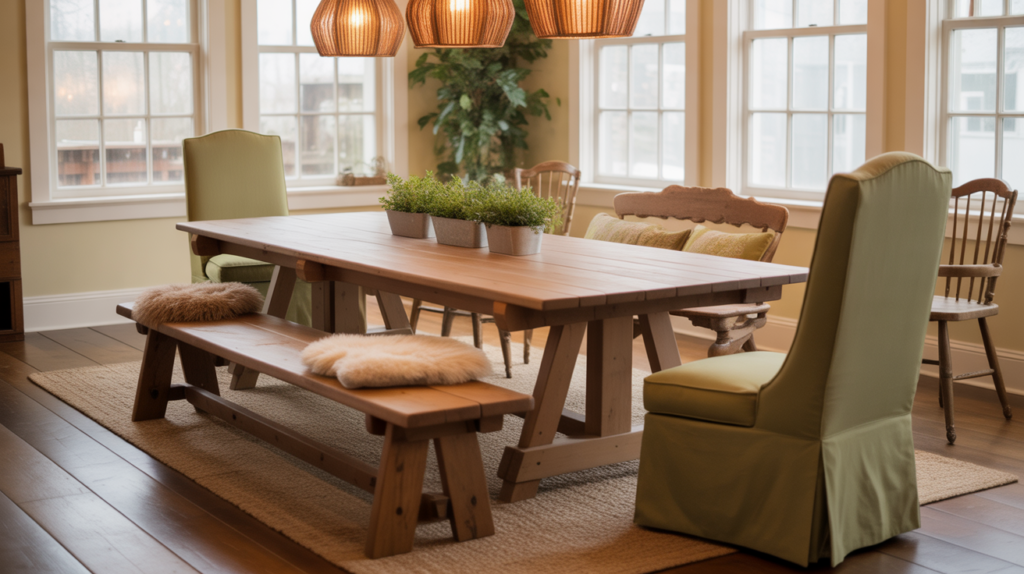
Mixing different types of seating is a great way to add personality and flexibility to a casual dining room. Instead of using identical chairs all around the table, consider combining chairs with a bench or even different chair styles.
For example, you might place upholstered chairs at the ends of the table and a wooden bench along one side. This creates a relaxed, informal look that feels more inviting than a perfectly matched set.
Mixed seating also offers practical benefits. A bench can accommodate more people when needed and can be tucked under the table to save space. Different chair styles can cater to various comfort preferences.
To keep the look cohesive, stick to a consistent color palette or material theme. Even if the styles vary, shared elements—like similar tones or finishes—help tie everything together.
This approach makes the dining area feel more dynamic, personal, and welcoming.
4. Natural Greenery Decor
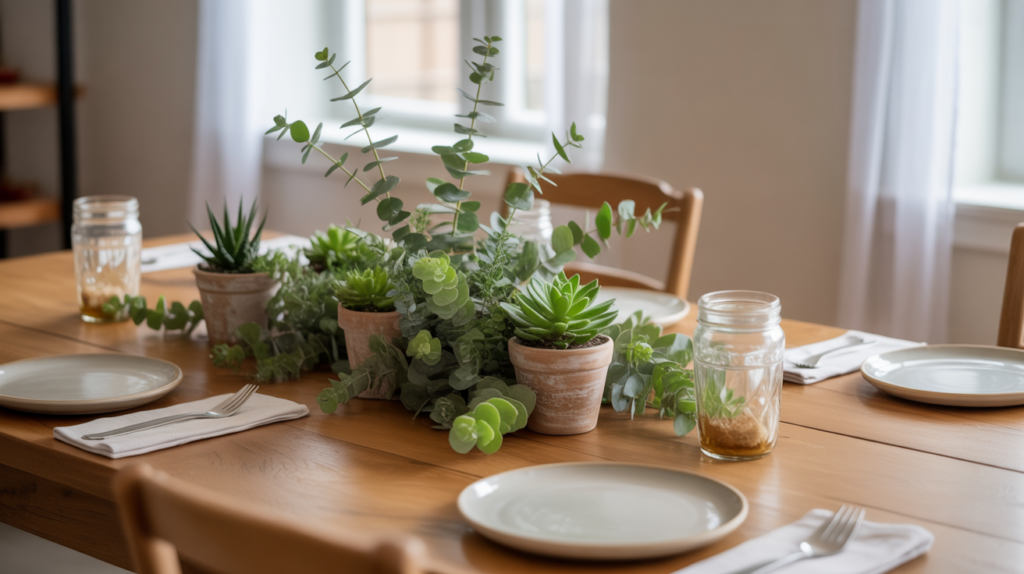
Bringing greenery into your dining room is one of the easiest ways to create a fresh and relaxed atmosphere. Plants add life, color, and a natural element that instantly makes the space feel more inviting.
A small potted plant on the table, a vase with leafy branches, or even a few herbs can make a big difference. Greenery softens the look of furniture and adds a sense of balance to the room.
You don’t need large or elaborate arrangements—simple and understated works best in a casual setting. Even a single stem in a glass vase can look elegant and effortless.
If you prefer low-maintenance options, high-quality faux plants can achieve a similar effect. The goal is to bring a touch of nature into the space, enhancing its warmth and comfort.
5. Cozy Pendant Lighting
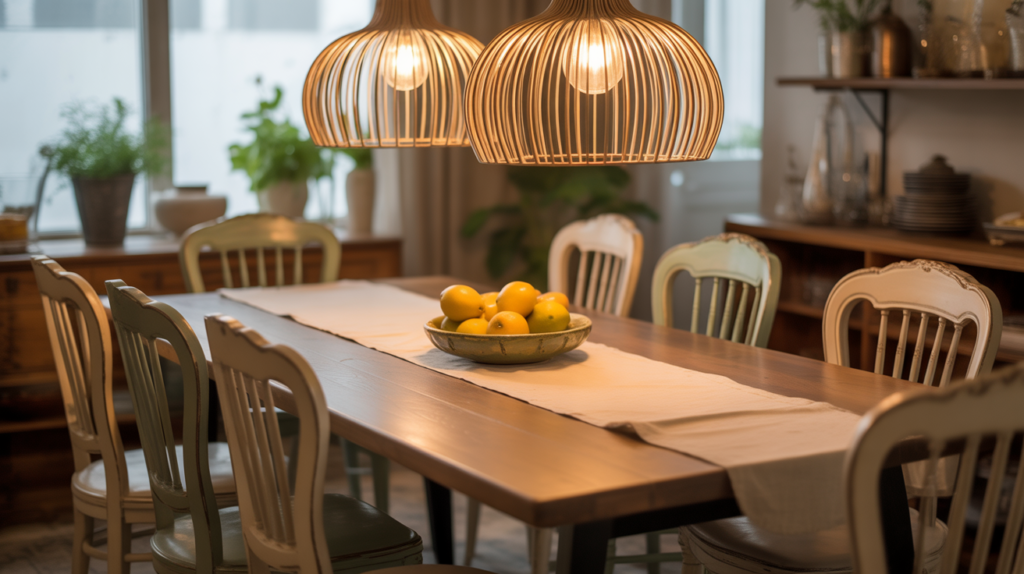
Lighting plays a crucial role in creating the right atmosphere for a casual dining room. A warm pendant light above the table can instantly make the space feel cozy and inviting.
Choose a fixture with a simple design—something that complements your décor without overpowering it. Materials like metal, wood, or woven textures work well for a relaxed look.
The placement of the light is just as important as the design. Hanging it directly above the table helps define the dining area and creates a focal point.
Warm lighting enhances the mood, making meals feel more intimate and comfortable. It also adds a soft glow that complements the natural materials and neutral tones often found in casual dining spaces.
6. Casual Table Runner Styling
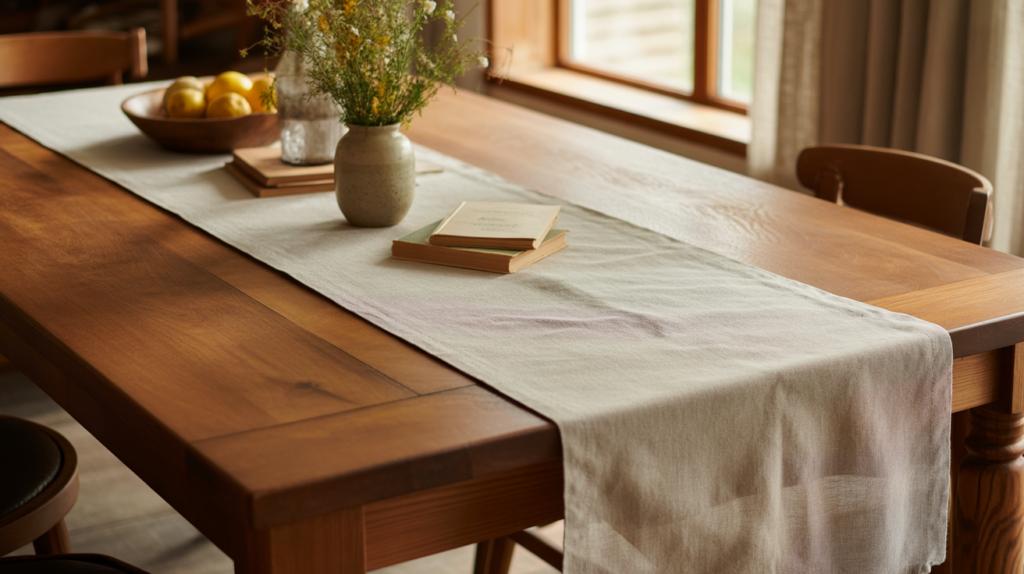
A table runner is a simple yet effective way to add texture and interest to your dining table. In a casual setting, opt for materials like linen or cotton that feel soft and natural.
Neutral colors or subtle patterns work best, as they blend seamlessly with the overall design. The runner helps define the table setting while keeping the look relaxed and understated.
Pair the runner with a small centerpiece—such as candles, a plant, or a decorative bowl—for a balanced arrangement. Avoid overcrowding the table, as this can make the space feel cluttered.
A table runner is also easy to change, allowing you to update the look of your dining room with minimal effort.
7. Minimal Wall Decor
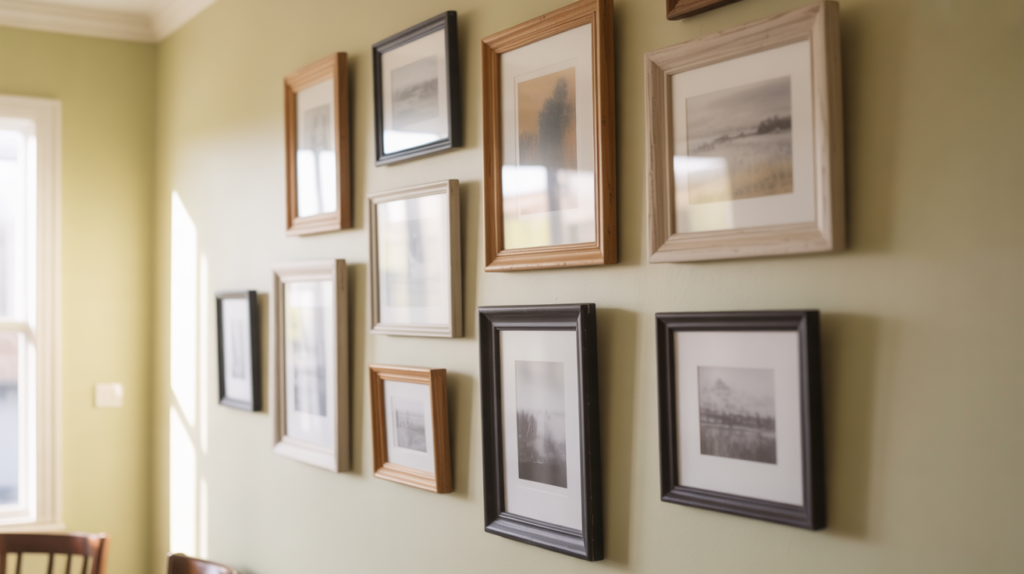
In a casual dining room, simplicity is key. Keeping wall décor minimal helps maintain a clean and uncluttered environment.
A few framed prints, small artworks, or even a single statement piece can add personality without overwhelming the space. Choose designs that reflect your style while complementing the overall color palette.
Spacing is important—avoid crowding the walls with too many items. Leaving some empty space creates a sense of calm and balance.
This approach ensures that the dining room feels relaxed and inviting, rather than busy or chaotic.
8. Open Shelving Display
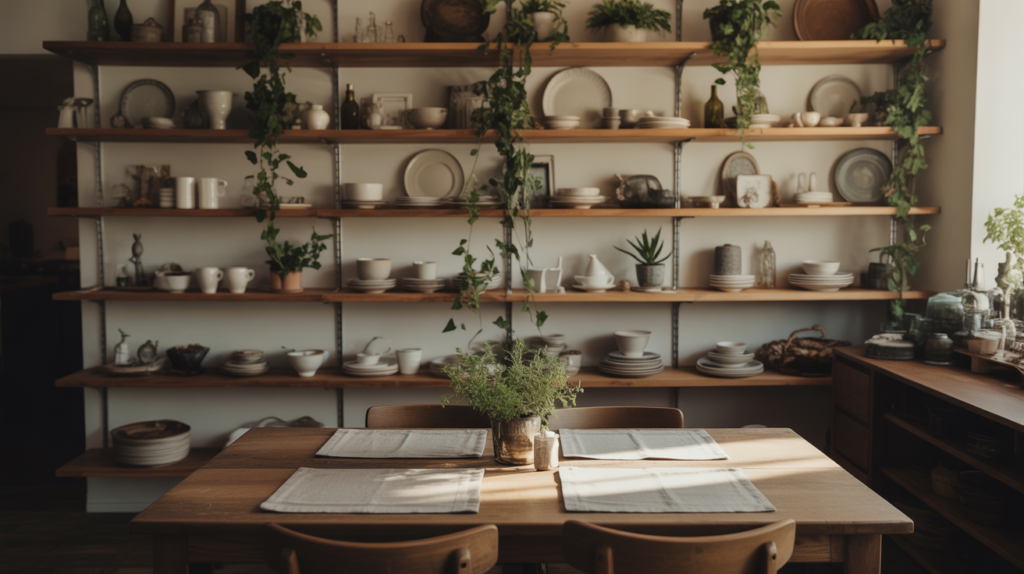
Open shelving is both practical and decorative, making it a great addition to a casual dining room. It provides storage for dishes, glassware, and other essentials while also allowing you to display decorative items.
Wooden shelves work particularly well, as they add warmth and complement the casual aesthetic. You can style the shelves with a mix of functional items and décor, such as plants, bowls, or small sculptures.
To keep the look cohesive, stick to a consistent color scheme and avoid overcrowding the shelves. Thoughtful arrangement is key to maintaining a clean and stylish appearance.
Open shelving makes the space feel more lived-in and approachable, enhancing the overall comfort of the dining room.
9. Soft Area Rug Under the Table
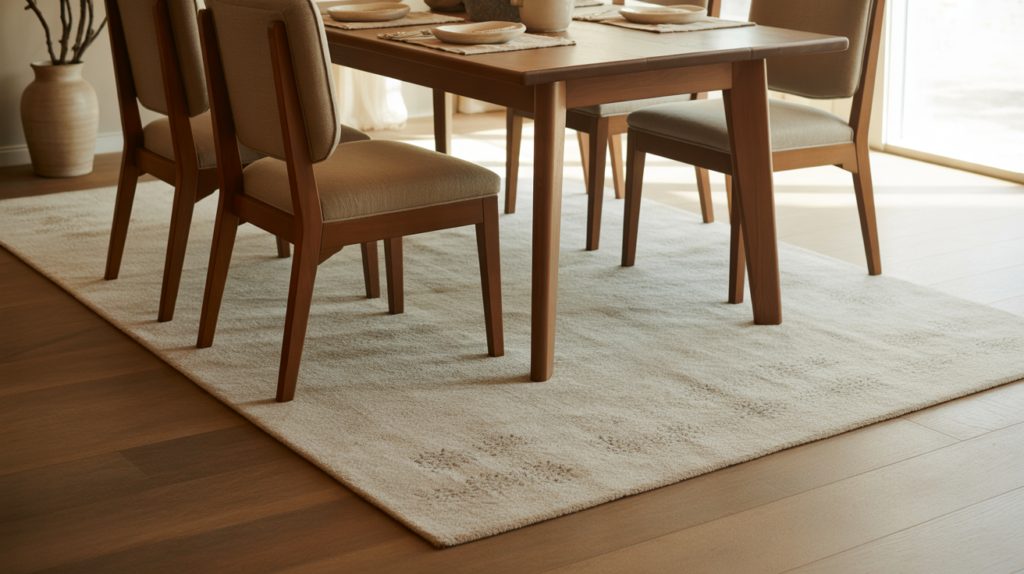
An area rug can transform the feel of your dining room by adding warmth, texture, and comfort. Placing a rug under the table helps define the dining area and makes it feel more complete.
Choose a rug in a neutral tone or a subtle pattern to complement the rest of the décor. Soft materials create a cozy atmosphere while still being practical for everyday use.
Make sure the rug is large enough to accommodate the table and chairs, even when the chairs are pulled out. This ensures both functionality and visual balance.
A well-chosen rug adds depth to the space and enhances its relaxed, welcoming vibe.
10. Simple Centerpiece Arrangement
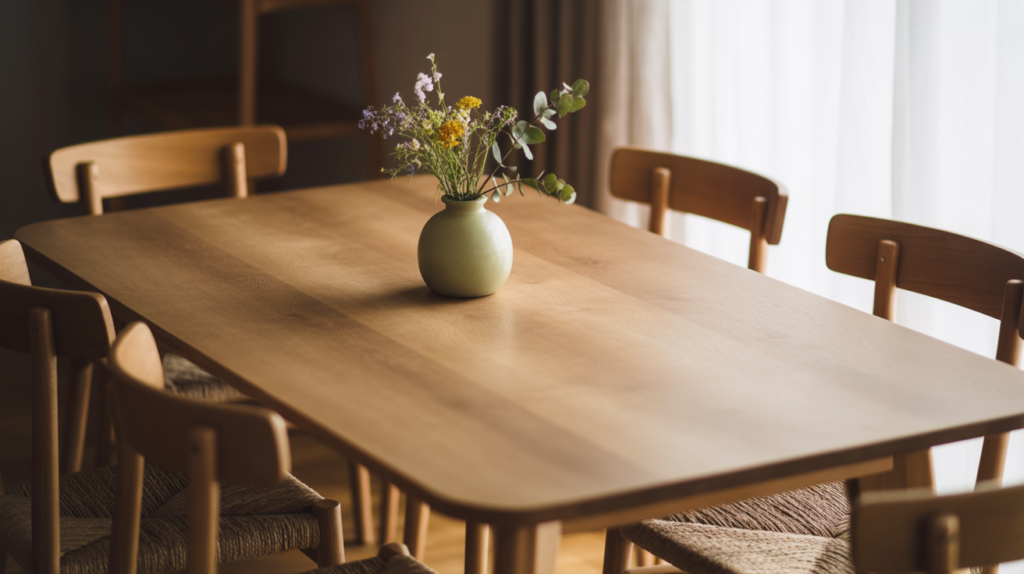
A simple centerpiece is the finishing touch that brings your dining table together. In a casual dining room, the key is to keep it minimal and functional.
A small vase, a bowl, or a candle arrangement can add just enough interest without making the table feel cluttered. Choose items that complement your color palette and overall style.
The centerpiece should enhance the table, not dominate it. It should be easy to move when needed, ensuring the table remains practical for daily use.
This understated approach keeps the dining area looking stylish while maintaining its relaxed and approachable feel.