
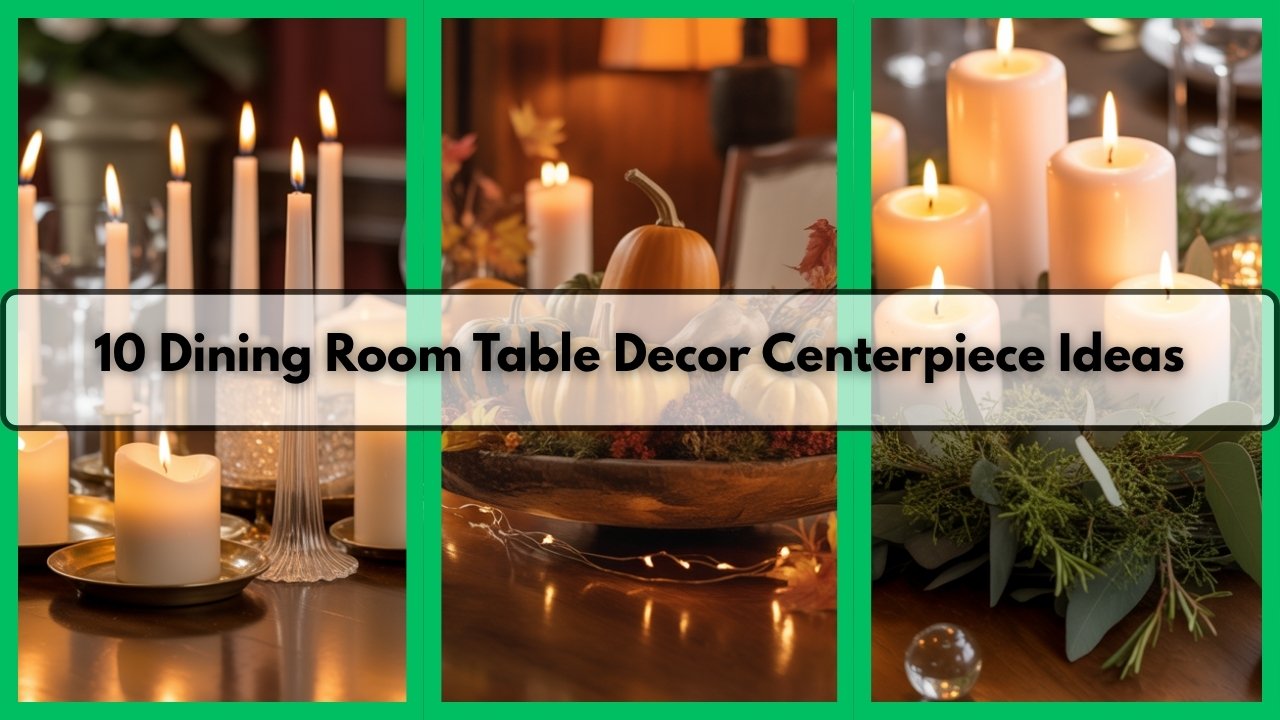
The dining table is more than just a place to enjoy meals—it’s often the heart of the home. Whether for family dinners, casual gatherings, or formal occasions, a thoughtfully styled centerpiece can transform the table and elevate the entire dining room. A centerpiece serves as a visual focal point, infusing the space with personality, warmth, and style.
From lush floral arrangements to minimalist décor, there are countless ways to create a centerpiece that suits your home’s aesthetic. Below, we explore ten versatile dining table centerpiece ideas that are easy to recreate yet make a big visual impact. Each idea blends functionality with beauty, ensuring your table remains practical while looking stylish.
1. Fresh Floral Arrangement
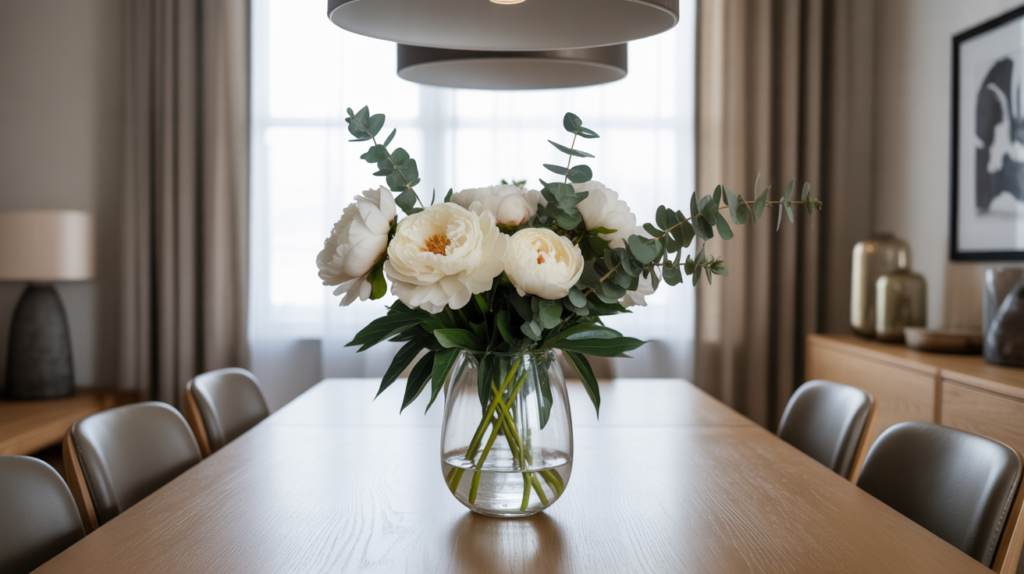
A fresh floral arrangement is a classic centerpiece that instantly brings life to the dining table. Flowers provide vibrant color, texture, and even fragrance, transforming the dining space into a welcoming, cheerful environment.
For a cohesive look, choose blooms that complement your dining room color palette. Soft pastels like blush, ivory, and peach create a gentle and romantic feel, while bold colors such as deep reds, oranges, or purples add drama and richness.
The vase also plays a significant role in the overall style. A simple glass vase works beautifully for modern or minimalist décor, while ceramic or metallic vases can add texture and elegance. To add variety, mix different flower types and heights, creating a dynamic arrangement that draws the eye without overwhelming the table.
Fresh flowers are ideal for daily meals, weekend gatherings, or special occasions, making this centerpiece both timeless and versatile.
2. Decorative Candle Display
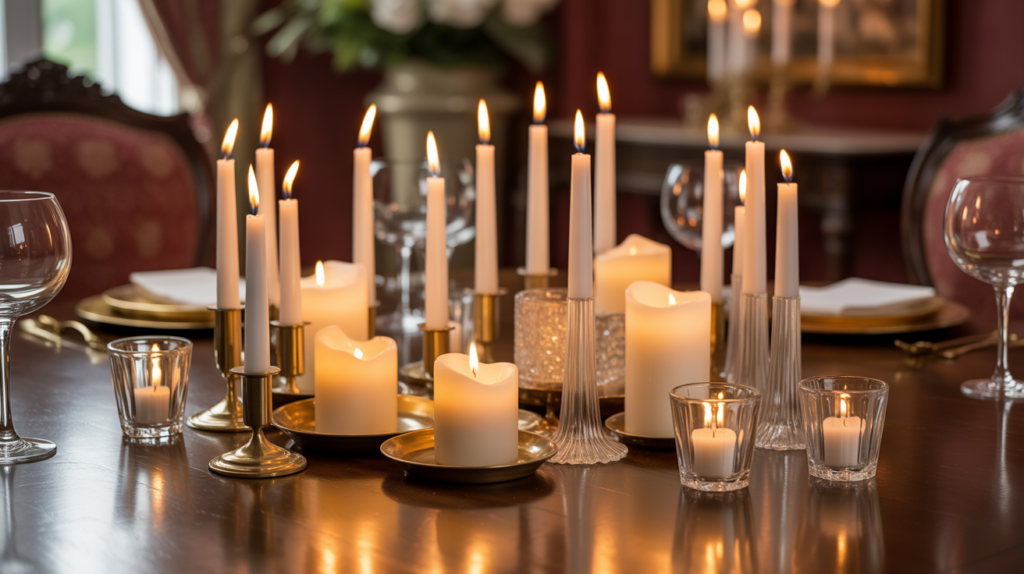
Candles bring warmth, intimacy, and a soft glow to the dining space. Arranging candles of varying heights in the center of the table creates depth, visual interest, and a sophisticated ambiance.
Decorative candle holders can elevate this classic idea. Consider glass hurricanes for a modern look, metal holders for rustic charm, or ceramic pieces for a textured aesthetic. Grouping candles together in clusters allows you to experiment with composition while maintaining a balanced design.
Candles are especially effective for evening meals or dinner parties, creating a relaxed and inviting atmosphere. Their flickering light adds movement and a cozy feel, making any meal feel more special.
3. Wooden Tray Centerpiece
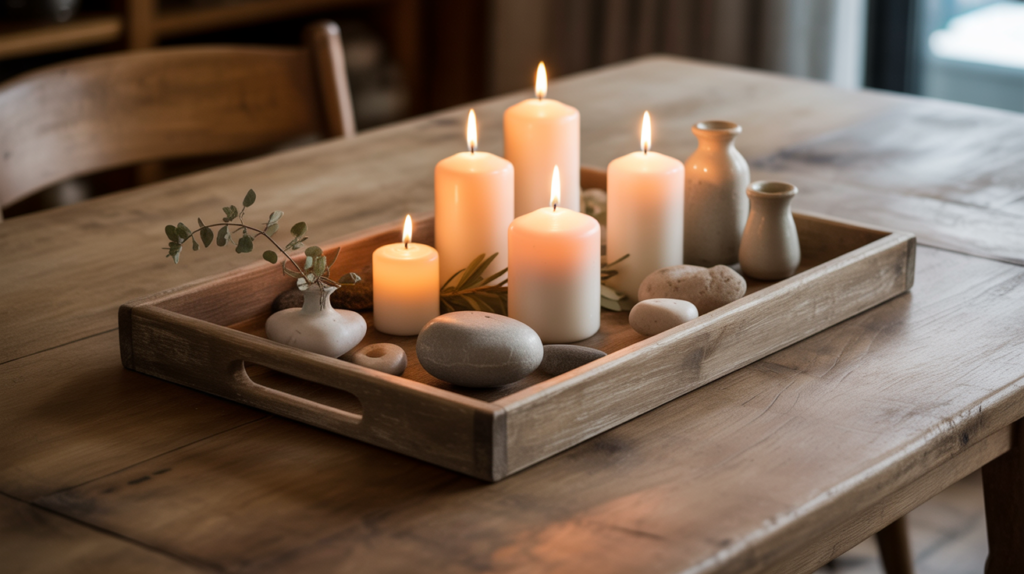
A wooden tray provides structure and organization for smaller centerpiece items. It helps group candles, vases, plants, or seasonal decorations, making the table look curated without clutter.
Using a tray also makes the centerpiece portable, which is perfect if the table needs to be cleared for meals or additional serving space. Rustic wooden trays work well in farmhouse, boho, or eclectic dining rooms, while sleek lacquered trays suit modern interiors.
You can layer items within the tray, mixing textures such as metal, glass, and wood. Surrounding a tray with small candles or greenery further enhances the visual appeal. This approach allows for flexibility and easy seasonal updates, ensuring your centerpiece always feels fresh.
4. Greenery Table Arrangement
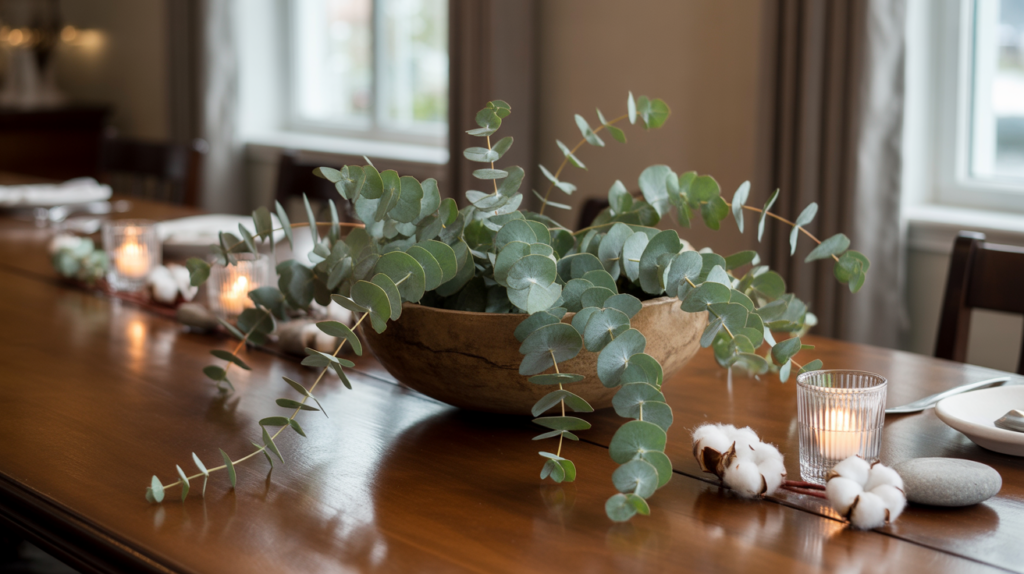
Greenery is an understated yet impactful choice for a dining table centerpiece. Branches of eucalyptus, ferns, or other leafy stems bring natural texture and freshness to the space.
Unlike flowers, greenery lasts longer and requires less maintenance, making it a practical option for everyday use. Small potted plants or cut foliage can be arranged in a low vase or spread along a table runner for an organic, continuous design.
Greenery blends seamlessly into a variety of interior styles, from modern minimalism to farmhouse charm. Pairing it with candles or wooden accents can create a layered centerpiece that feels balanced and inviting.
5. Decorative Bowl Display
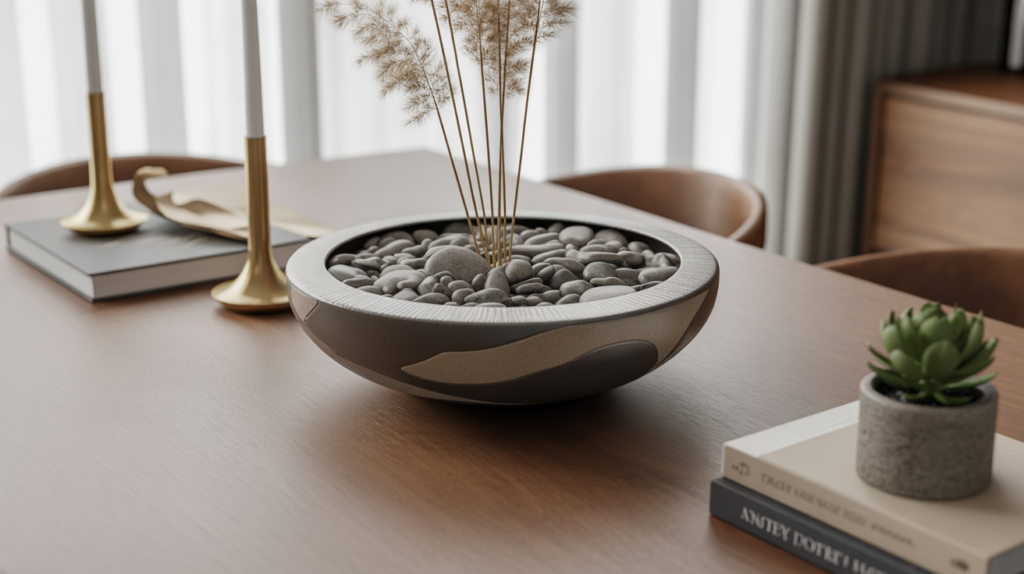
A decorative bowl is both functional and stylish. It can hold seasonal objects, fruit, decorative spheres, or even small candles, making it a versatile centerpiece option.
Choosing a bowl with an interesting shape, texture, or material—such as ceramic, glass, or wood—adds a sculptural quality to the table. You can also layer contents, such as mixing small gourds with pinecones in autumn or adding citrus fruit for a fresh, summery feel.
Decorative bowls are especially effective for minimalist tables, as they provide a single statement piece that instantly elevates the space.
6. Lantern Centerpiece
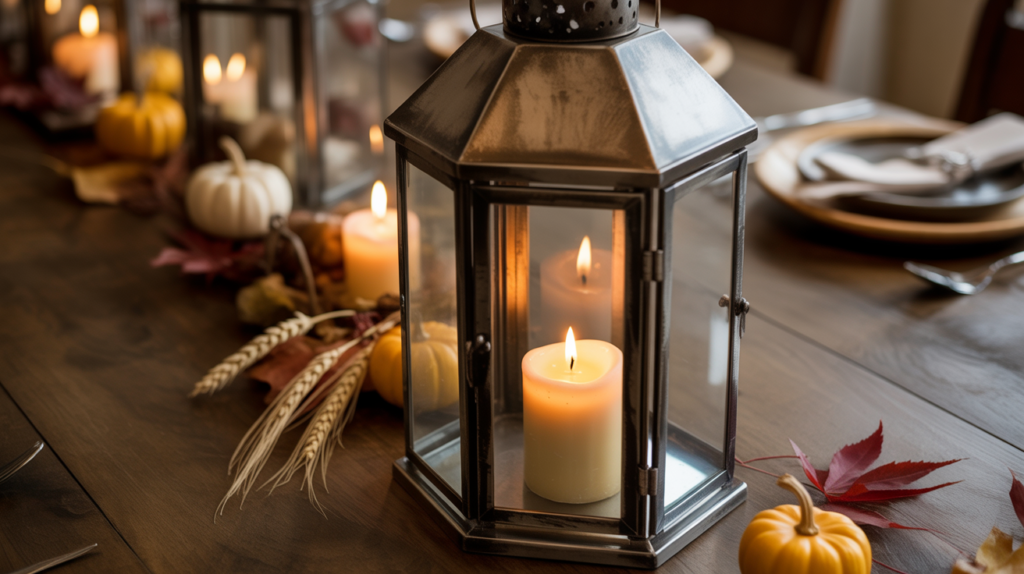
Lanterns are a charming way to add height and structure to your centerpiece. A rustic or metal lantern with a candle inside creates a soft, warm glow that makes the dining table feel cozy and inviting.
Surrounding the lantern with small decorative accents, like seasonal greenery, pinecones, or mini pumpkins, can enhance the visual interest. Lanterns are versatile enough to suit casual family dinners or more formal gatherings, and they can be moved easily if you need more table space.
The lantern’s architectural shape adds dimension to the table, creating a focal point without being overpowering.
7. Minimalist Vase Arrangement
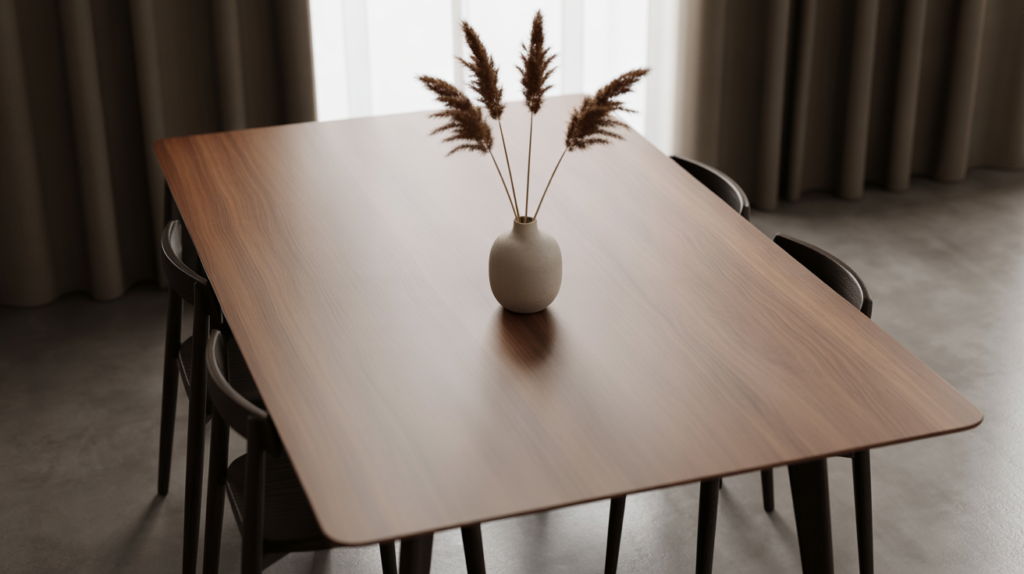
Sometimes simplicity makes the strongest statement. A single vase with a few carefully chosen stems creates a modern, minimalist centerpiece that keeps the table clean and uncluttered.
This approach works well in contemporary or Scandinavian-inspired dining rooms. A tall single-stemmed flower, a small cluster of wildflowers, or even a single branch can create elegance through restraint.
Minimalist vases in neutral tones—white, black, or soft gray—allow the centerpiece to stand out subtly without competing with the rest of the décor.
8. Books and Decor Stack
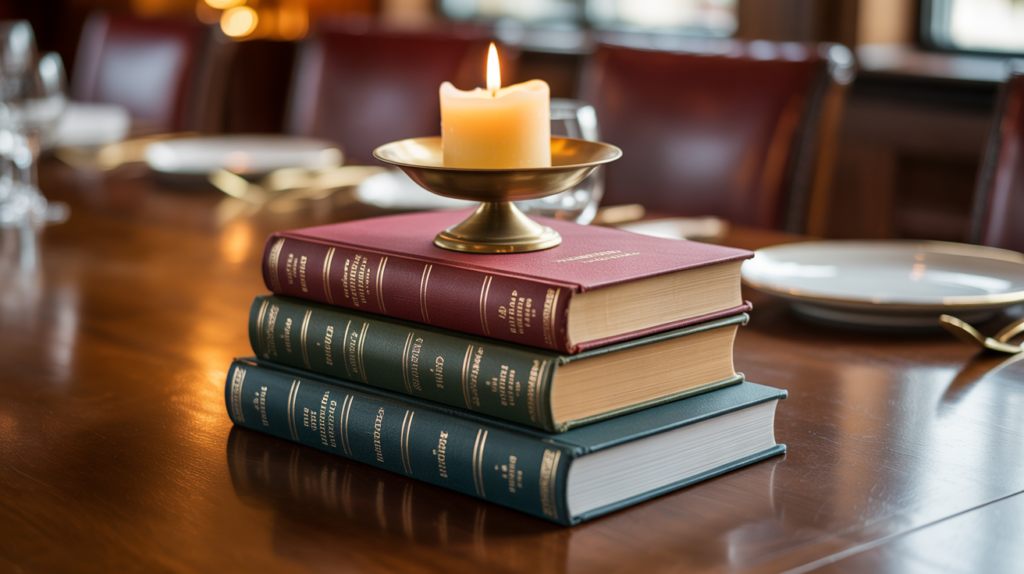
For a curated, designer-inspired look, consider stacking decorative books in the center of your table. Layering books of varying sizes creates height and visual interest, and adding a small sculpture, candle, or decorative object on top completes the display.
This approach works especially well in eclectic or modern interiors. You can also switch the books seasonally or swap the top object for a flower arrangement, lantern, or festive accent.
Stacked books provide a sense of structure and personality, transforming the table into a stylish, thought-out focal point.
9. Seasonal Centerpiece Decor
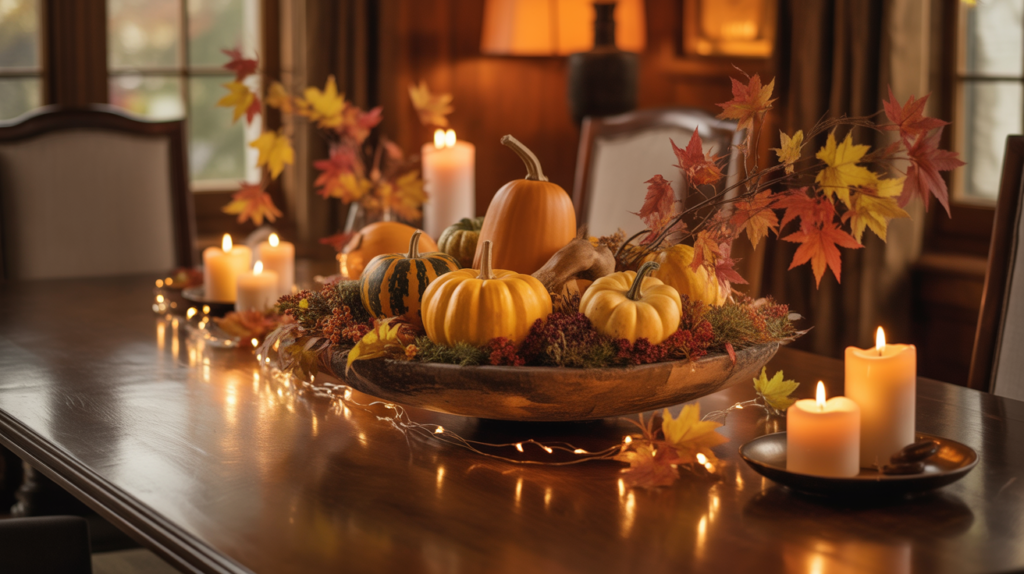
Changing your centerpiece with the seasons keeps your dining table fresh and inviting. In spring, use pastel flowers and greenery. In fall, add pumpkins, acorns, or warm-toned candles. During the holidays, bring in festive ornaments or evergreen sprigs.
Seasonal centerpieces reflect the natural rhythm of the year and allow you to celebrate different occasions. They also create conversation starters for family gatherings and dinner parties.
This approach can be as simple or elaborate as you like, making it suitable for everyday use or special events.
10. Mixed Texture Arrangement
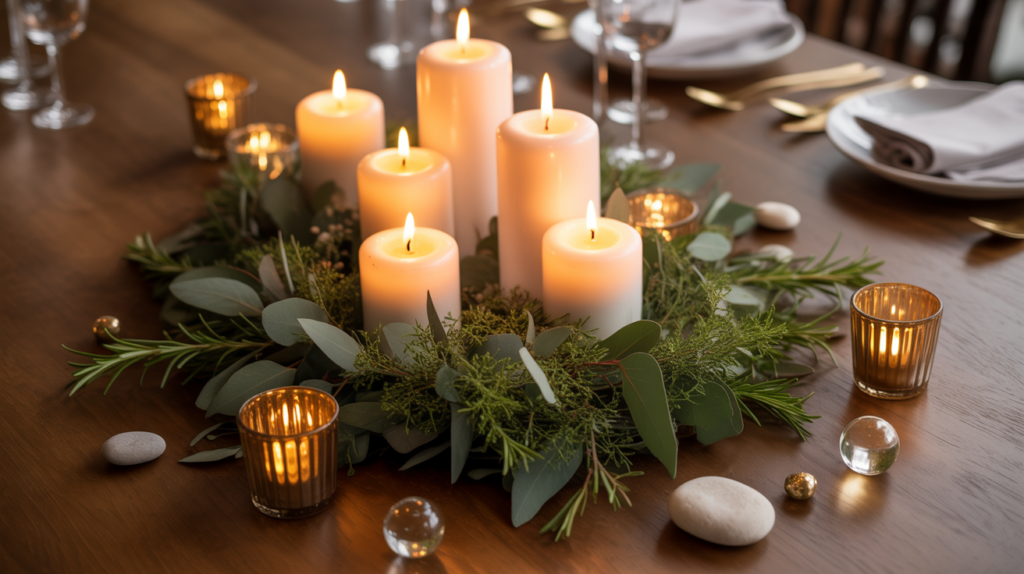
Layering different textures creates a visually rich and dynamic centerpiece. Combining elements like candles, plants, wood, ceramic, and glass gives the table depth and interest.
This styling technique ensures the centerpiece feels thoughtfully designed without being overbearing. The mix of materials also allows the table to feel cozy and inviting while remaining functional for meals.
You can experiment with different heights, shapes, and colors to achieve a balanced composition. A mixed texture arrangement is versatile, timeless, and works in nearly any dining room style.